
Ultra-low freezers are designed for long-term reliability, but performance does not decline all at once. In most cases, early warning signs appear well before a complete failure. Recognizing these indicators can help prevent unexpected downtime and protect valuable samples.
Why Early Detection Matters
A failing ULT freezer rarely stops without warning. Small performance changes often occur first, and ignoring them can lead to temperature instability or sudden loss of cooling. Monitoring these changes allows labs to take action before samples are compromised.
For many labs, these warning signs begin to appear as systems approach the later stages of their expected lifespan.
Common Signs of ULT Freezer Failure
Slower Recovery After Door Openings
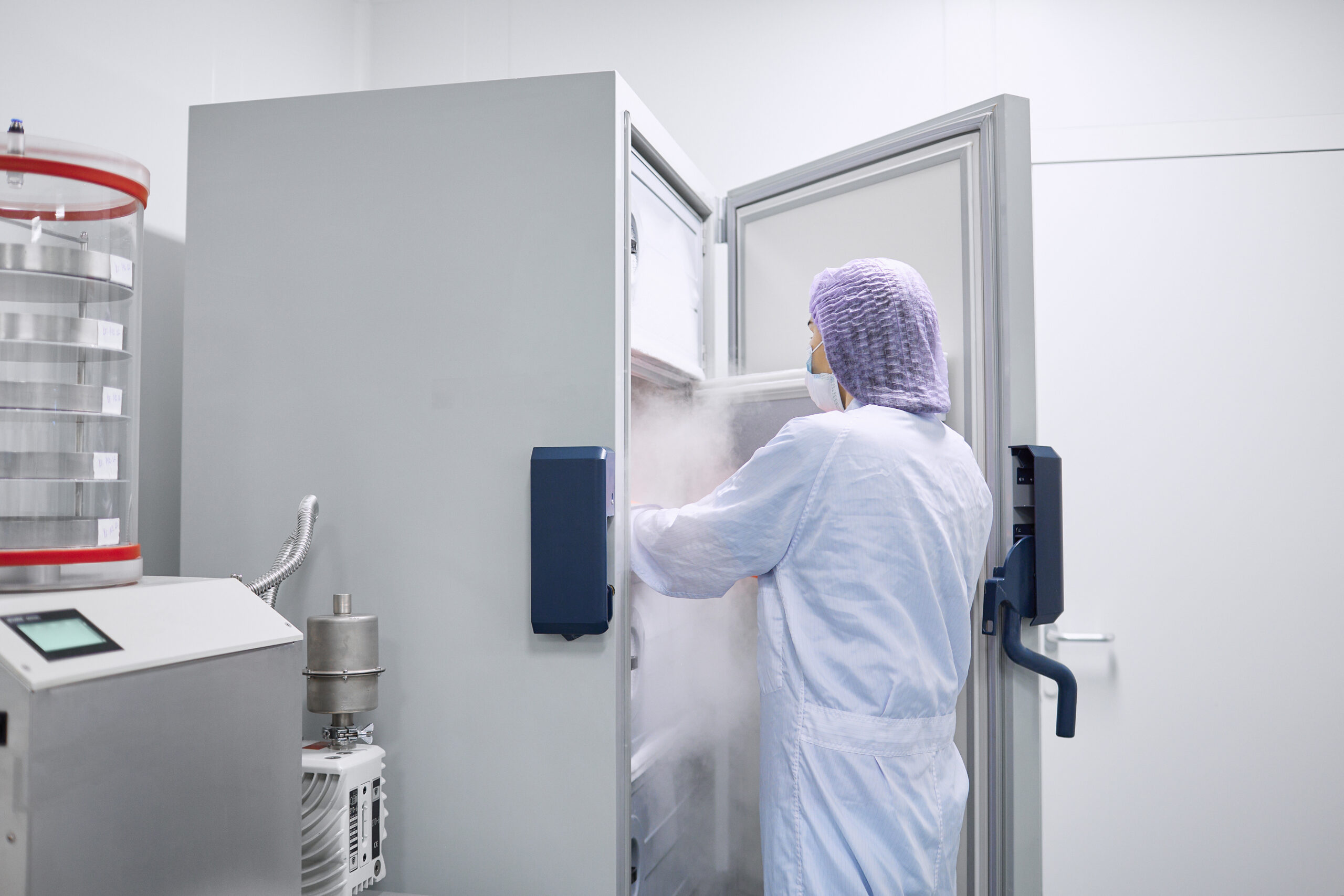
After the door is opened, a properly functioning freezer should return to its set temperature within a predictable timeframe. If recovery becomes noticeably slower, it may indicate declining compressor performance or reduced system efficiency.
Increased Temperature Fluctuations
Consistent internal temperature is critical for sample protection. If the freezer begins to show wider temperature swings or struggles to maintain setpoint, this can signal issues with airflow, sensors, or refrigeration components.
Excessive Frost or Ice Buildup
Heavy frost accumulation inside the chamber or around door seals can indicate air leaks or moisture intrusion. This forces the system to work harder and can reduce overall efficiency.
Rising Energy Consumption
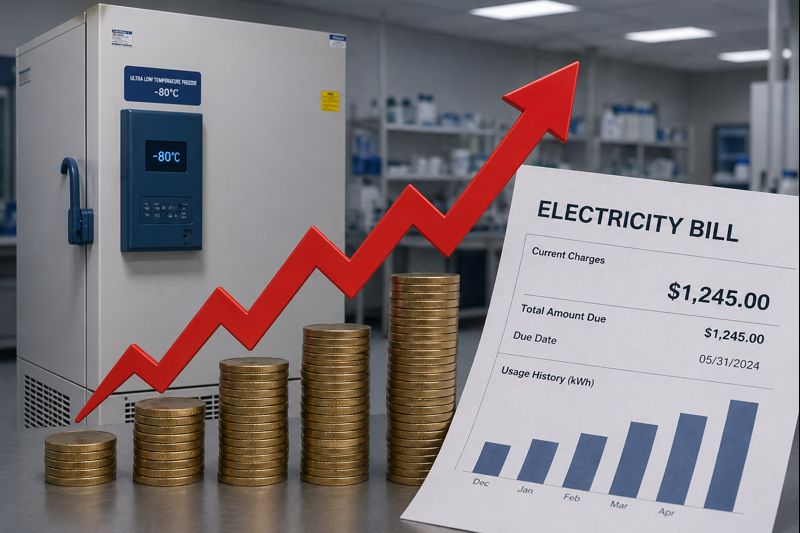
Older or failing systems often draw more power as they work harder to maintain temperature. A noticeable increase in energy usage without a change in operation is often an early warning sign.
Unusual Noises
Compressors, fans, and internal components should operate consistently. New or louder noises, including clicking, buzzing, or extended run cycles, can point to mechanical wear.
Frequent Alarm Events
If alarms are triggered more often than usual, especially for temperature deviations, the system may be struggling to maintain stable conditions.
What Causes These Issues?
ULT freezer performance can degrade for several reasons:
- Wear on compressors and refrigeration components
- Reduced efficiency from aging insulation or seals
- Poor airflow due to blocked vents or dirty filters
- High ambient room temperatures
- Frequent door openings or heavy usage
Over time, these factors place additional strain on the system, increasing the likelihood of failure.
When to Take Action
If one or more of these signs appear, it is important to evaluate the condition of the freezer. In some cases, maintenance or minor repairs can restore performance. In others, especially with older units, replacement may be the more reliable option.
Labs already seeing these issues may want to review available ultra low temperature freezers to compare newer systems with improved performance, energy efficiency, and monitoring capabilities.
Preventing Unexpected Failure
Routine maintenance and regular performance checks can help extend the life of a ULT freezer. Monitoring temperature trends, cleaning filters, and ensuring proper airflow all contribute to consistent operation.
However, no system lasts indefinitely. Identifying early warning signs and planning ahead helps reduce risk and ensures that critical materials remain protected.
Frequently Asked Questions
Slower temperature recovery and increased fluctuations are often the earliest indicators of declining performance.
Excessive frost can indicate air leaks or seal issues, which may impact efficiency and temperature stability.
If the unit is older and showing multiple warning signs, replacement is often the more reliable long-term option.