
Ultra-low freezers are one of the most energy-intensive pieces of equipment in many laboratories. While older systems may still appear operational, declining efficiency, rising electrical consumption, and increasing maintenance demands can create substantial long-term operating costs.
For labs running multiple ULT freezers, those costs can add up quickly.
Older ULT Freezers Use More Energy Than Many Labs Realize
According to the U.S. Department of Energy, a conventional ultra-low temperature freezer can consume approximately 20 kWh of electricity per day, which is roughly equivalent to the energy usage of an average U.S. household.
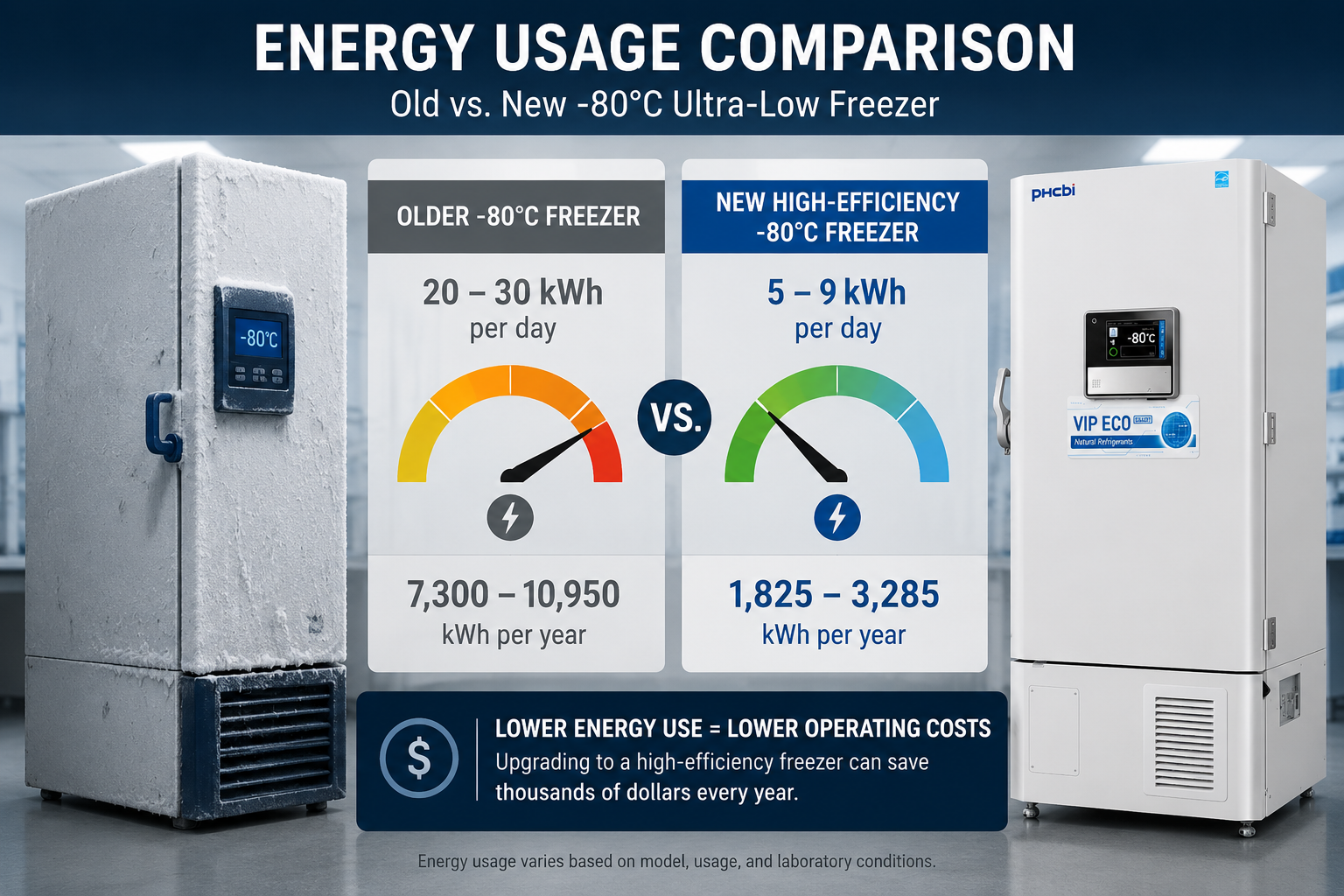
Some aging systems may consume even more. Published industry data shows older or less efficient ULT freezers can operate in the range of approximately 20–30 kWh/day, especially as compressors and refrigeration systems begin to decline over time. As ULT systems age, declining efficiency and component wear can significantly impact long-term performance and operating costs.
By comparison, many newer high-efficiency ultra low freezers now operate closer to 5–9 kWh/day due to improvements in compressor technology, insulation, and refrigerants.
What Does That Actually Cost?
The difference in operating cost can be significant.
| Freezer Type | Approximate Daily Energy Use | Approximate Annual Energy Use |
|---|---|---|
| Older ULT freezer | 20–30 kWh/day | 7,300–10,950 kWh/year |
| Newer high-efficiency ULT freezer | 5–9 kWh/day | 1,825–3,285 kWh/year |
Using average commercial electricity rates, an older ultra-low freezer may cost hundreds or even thousands of dollars more per year to operate compared to a modern high-efficiency system.
Labs operating multiple ULT freezers may also experience additional HVAC costs due to the extra heat generated by older refrigeration systems.
Rising Energy Consumption Is Often a Warning Sign
As ULT freezers age, compressors typically need to run longer and more frequently to maintain temperature. Over time, this increased workload can lead to:
- higher electricity usage
- slower recovery times after door openings
- additional strain on refrigeration components
- increased heat output into the laboratory
These changes are often gradual, which means many labs do not notice the increase in operating cost until performance problems begin appearing.
Repair Costs Add Up Quickly
Energy consumption is only part of the equation. Aging systems also tend to require more maintenance and repairs over time.
Common service-related expenses include:
- compressor replacements
- emergency service calls
- replacement sensors or control boards
- downtime during repairs
- temporary sample relocation
In many cases, the combined cost of repairs and increased energy usage begins approaching the cost of upgrading to a newer system.
Older Freezers May Lack Modern Protection Features
Many older ULT freezers were not designed with the advanced protection systems found in newer models.
Modern systems may include:
- enhanced alarm systems
- remote monitoring capabilities
- integrated data logging
- improved temperature uniformity
- dual-compressor backup protection
- faster recovery after door openings
These features help reduce operational risk and improve long-term reliability.
Energy Efficiency Standards Have Improved
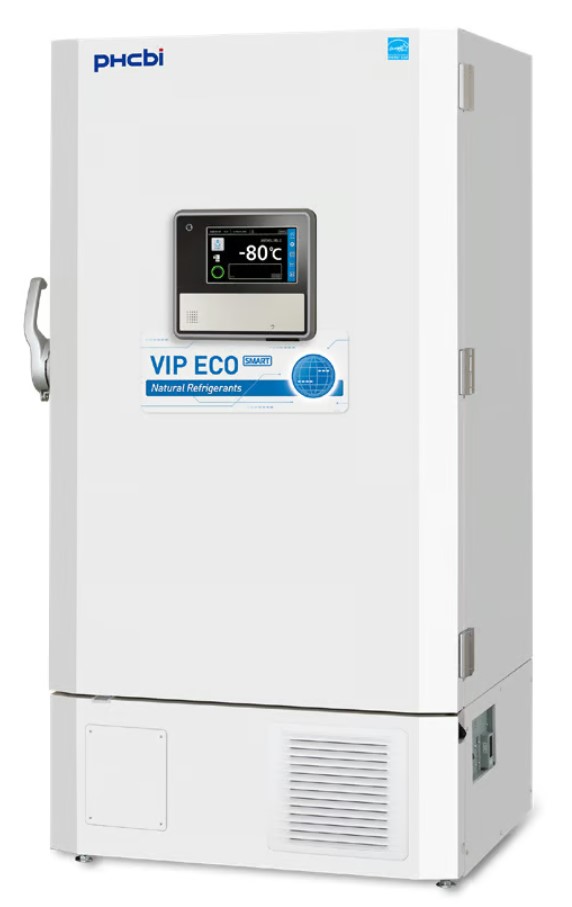
In recent years, ENERGY STAR efficiency requirements for laboratory-grade refrigeration equipment have become significantly stricter. Many newer systems now use advanced natural refrigerants and variable-speed compressor technology to reduce overall energy consumption while maintaining stable ultra-low temperatures.
For laboratories operating aging equipment, upgrading to a modern ultra low freezer can reduce both operating costs and long-term reliability concerns.
When Upgrading Makes Sense
Replacing an older freezer is not always immediately necessary, but there are situations where upgrading becomes the more practical long-term decision.
Labs should begin evaluating replacement when:
- energy costs continue increasing
- repair frequency becomes more common
- temperature stability declines
- the freezer is approaching or exceeding 10 years of operation
For labs considering replacement options, reviewing available ultra low temperature freezers can help identify newer systems designed for improved efficiency, reliability, and sample protection.
Long-Term Reliability Matters
A ULT freezer is more than a storage unit. It is part of the infrastructure protecting valuable research, pharmaceuticals, and biological materials.
While older systems may continue operating for years, the hidden costs associated with energy usage, repairs, and reliability risks can become difficult to ignore. Planning upgrades proactively helps reduce unexpected downtime and supports more stable long-term laboratory operation.
Frequently Asked Questions
Conventional ultra-low freezers commonly use around 20 kWh/day, while some older systems may consume 20–30 kWh/day.
Yes. Many newer systems operate in the range of approximately 5–9 kWh/day due to improvements in refrigeration technology and insulation.
Aging compressors, declining efficiency, and longer run cycles increase electrical consumption and overall operating costs over time.