
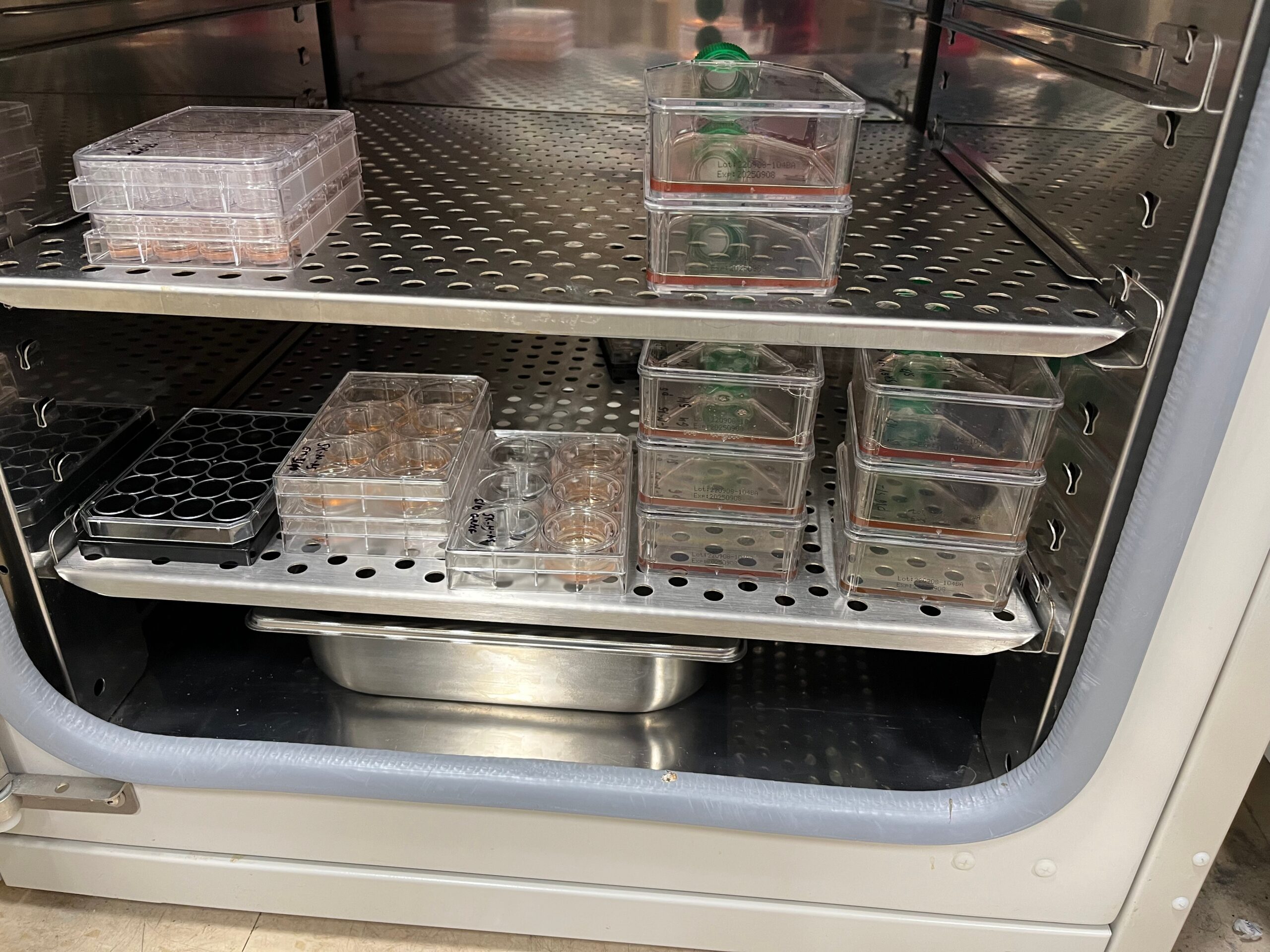
If you’re noticing slower temperature recovery, recurring calibration issues, or unexpected contamination events, your CO2 incubator may be showing its age. CO2 incubators are among the most critical pieces of equipment in any cell culture lab and knowing when they’re beginning to decline can mean the difference between consistent results and compromised research.
Understanding the typical lifespan of a CO2 incubator, and recognizing the factors that affect performance over time, helps laboratories plan smarter and avoid unnecessary downtime.
Typical Lifespan of a CO2 Incubator
Most CO2 incubators operate reliably for approximately 8 to 12 years when properly maintained. However, actual lifespan varies considerably depending on usage patterns, maintenance practices, and environmental conditions.
As CO2 incubators age, key components such as sensors, heating systems, fans, and door gaskets gradually wear down. This leads to inconsistent environmental control and more frequent service requirements over time.
What Impacts CO2 Incubator Lifespan?
Several factors influence how long a CO2 incubator continues operating effectively.
Frequency of Use
Incubators in high-traffic laboratories experience more frequent door openings, placing greater stress on temperature and CO2 recovery systems. Over time, this additional workload accelerates component wear.
Maintenance Practices
Routine cleaning, sensor calibration, and preventive maintenance are among the most important factors in extending incubator lifespan. Dirty chambers, clogged filters, or neglected humidity pans reduce efficiency and increase contamination risk.
Environmental Conditions
Ambient room temperature, humidity, and airflow around the incubator all affect long-term performance. Poor ventilation forces heating and control systems to work harder to maintain stable internal conditions, shortening operational life.
Sensor and Control System Wear
CO2 incubators rely on precise monitoring systems to maintain proper environmental conditions. As sensors age, calibration drift and slower response times increasingly impact performance consistency, even when other components remain functional.
Signs Your CO2 Incubator May Be Aging
Performance decline is often gradual. Recognizing early warning signs helps laboratories address issues before they disrupt sensitive cell culture work. Common indicators include:
- Slower temperature or CO2 recovery after door openings
- Inconsistent humidity levels
- Repeated calibration issues
- Unexpected alarms or error messages
- Increased contamination events
- Visible wear on seals or chamber components
If several of these signs are present simultaneously, it is worth evaluating whether repair or replacement is the more cost-effective path forward.
Why Stable Conditions Matter
Consistent environmental control is critical for cell culture applications. Even small fluctuations in temperature, humidity, or CO2 concentration can affect sensitive cultures and compromise experimental reproducibility over time.
Guidance from the National Institutes of Health emphasizes the importance of maintaining controlled incubation conditions to support reliable cell growth. Aging equipment that struggles to hold stable conditions puts this consistency at risk.
Repair vs. Replacement: When to Make the Call
Minor issues such as gasket replacement, calibration adjustments, or sensor servicing can often extend the usable life of a CO2 incubator meaningfully. However, repeated service calls or persistent environmental instability may signal that it’s time to move on.
Many laboratories begin evaluating replacement when:
- The incubator approaches 10 years of operation
- Repairs become more frequent or more costly
- Contamination events begin to increase
- Environmental recovery slows noticeably after door openings
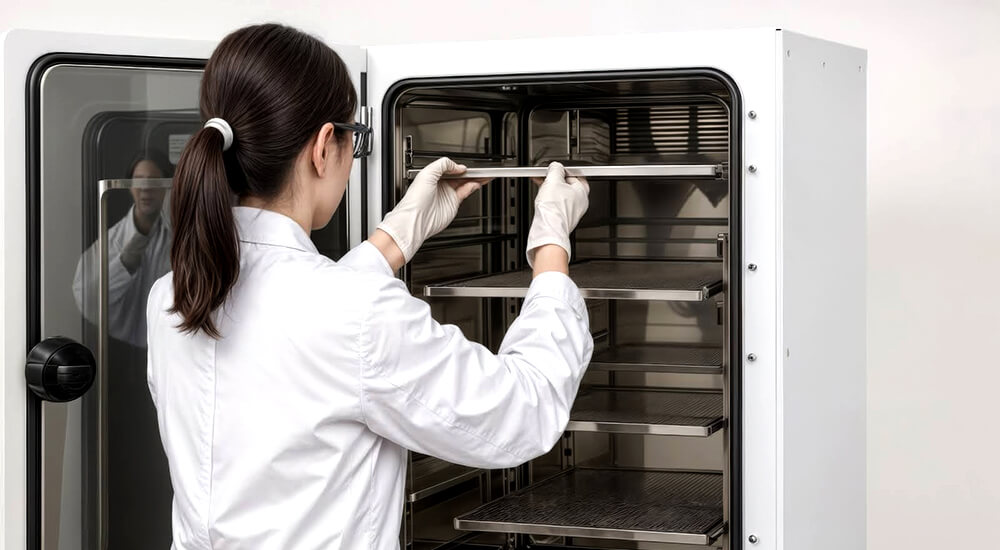
Laboratories reaching this decision point can browse available CO2 incubators to compare modern systems built for improved contamination control, faster recovery, and better long-term reliability than aging equipment can typically offer.
Newer systems also tend to provide enhanced monitoring capabilities and greater energy efficiency, which can reduce operating costs over time.
Planning Ahead Reduces Risk
Waiting until a CO2 incubator fails completely can interrupt workflows and compromise valuable research. Monitoring performance trends and planning replacement proactively is the most effective way to maintain stable culture conditions and minimize unexpected downtime.
Establishing a routine performance log that tracks temperature recovery times, calibration frequency, and any alarm events gives laboratories objective data to guide replacement decisions before a failure forces the issue.
Frequently Asked Questions
Most CO2 incubators operate reliably for approximately 8 to 12 years with proper maintenance and regular calibration.
Aging sensors, poor maintenance practices, and repeated environmental stress are among the most common contributors to performance decline over time.
Some older systems continue operating effectively, but aging components increase the risk of inconsistent environmental control and contamination event, particularly beyond the 10-year mark.
When repairs become frequent, environmental recovery slows noticeably, or contamination events increase despite regular maintenance, replacement is usually the more cost-effective long-term choice.