800-521-0754

Request Information

Request Info

CLOSE

Showing 1–21 of 178 results


Medical Refrigerators

Medical refrigerators are built for vaccines, medications, biologics, and other materials that require dependable temperature control. Most vaccines labeled for refrigerated storage must be kept between 2°C and 8°C (36°F and 46°F). The CDC recommends a refrigerator setpoint of 5°C (41°F) to provide room for normal temperature variation.

These refrigerators are designed for daily use in pharmacies, physician offices, hospitals, clinics, and research facilities. Available features vary by model and may include forced-air circulation, microprocessor controls, temperature and door alarms, keyed locks, probe access ports, remote alarm contacts, and onboard data logging.

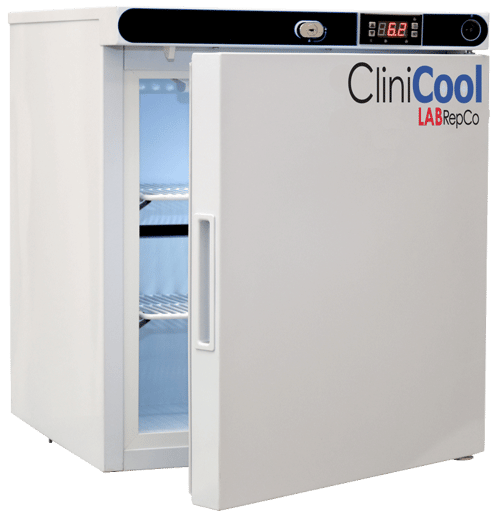
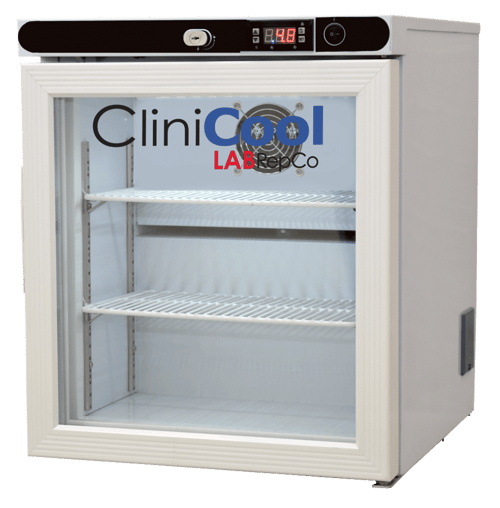
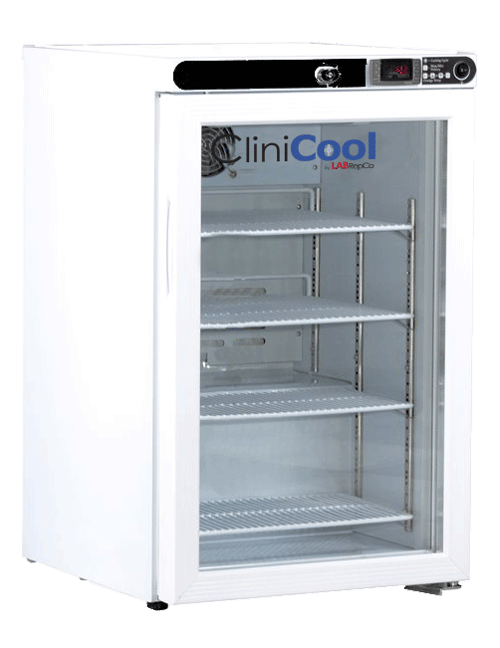
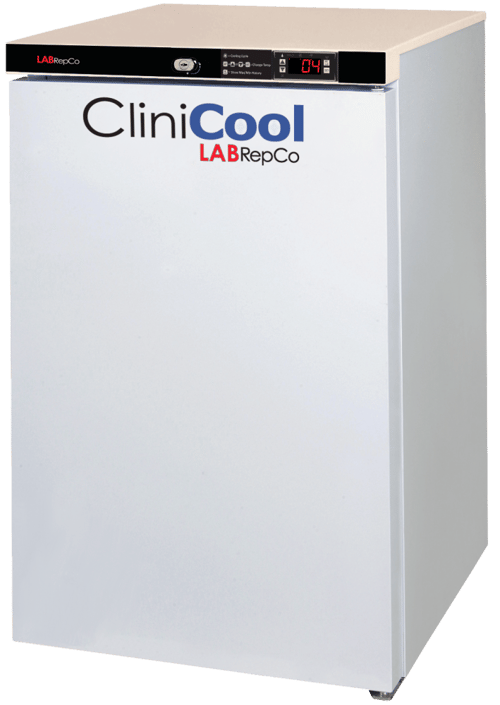
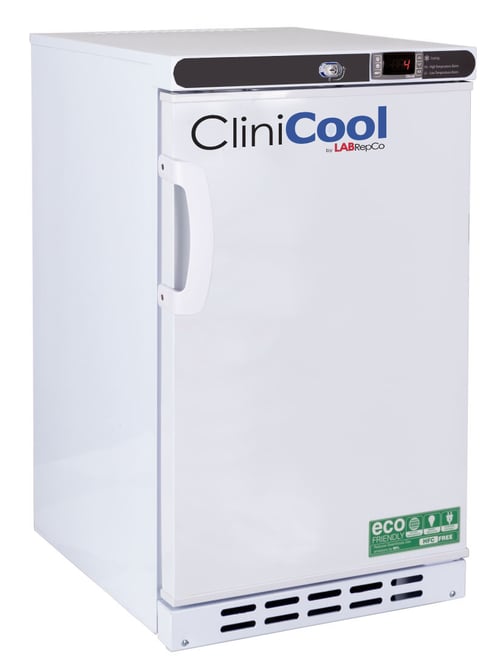
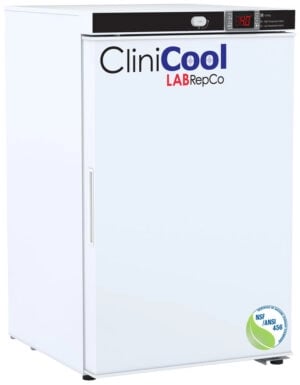
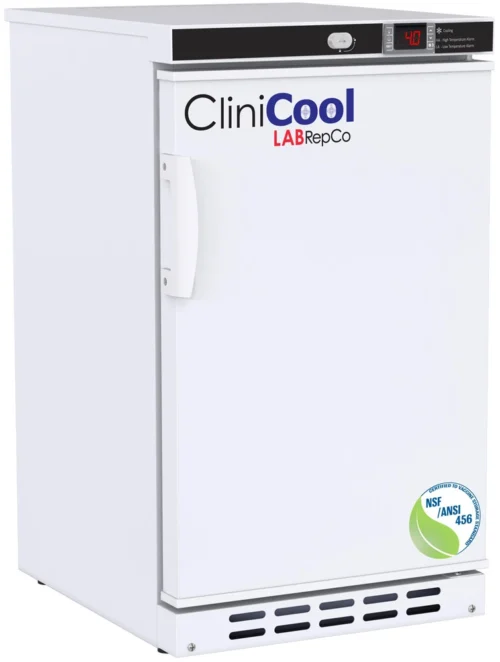
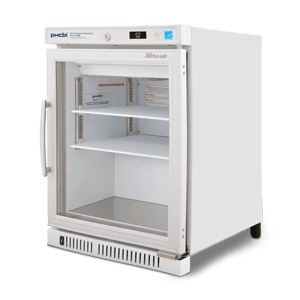
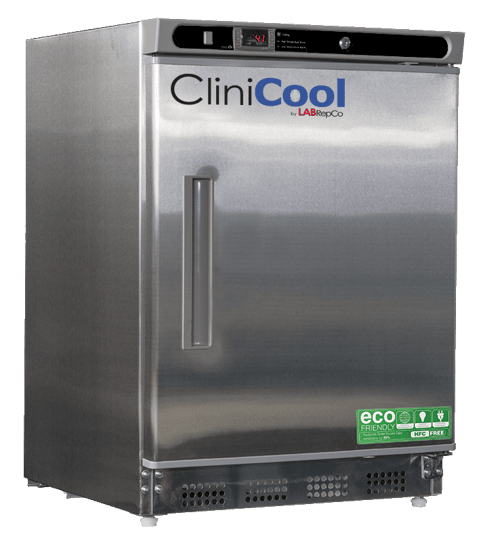
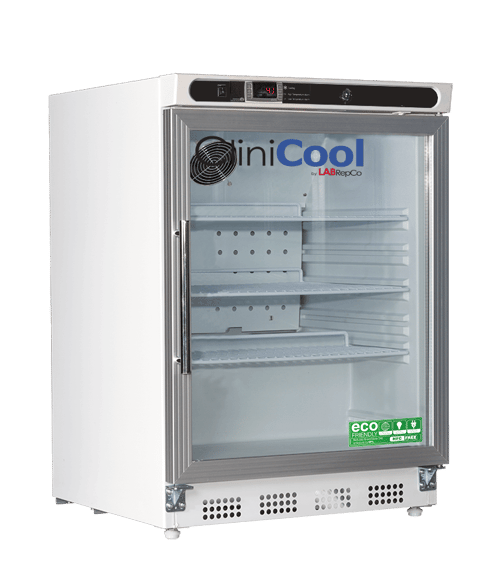
LabRepCo carries medical and vaccine refrigerators from LabRepCo CliniCool, Follett, PHCbi, Accucold, and the LabRepCo Futura/Ultra Series. Available configurations include benchtop, undercounter, upright, pass-through, glass-door, and solid-door models. Use the filters on this page to narrow the selection by capacity, width, door style, certification, refrigerant, and other operating requirements.

Choosing the Right Medical Refrigerator

Usable shelf space matters as much as stated cubic-foot capacity. Choose a refrigerator that can hold your maximum expected inventory without crowding. Packages should have enough space around them for air to circulate, especially during seasonal increases in vaccine or medication volume.

Installation requirements can quickly determine which models will work. Check the exterior dimensions, doorway clearance, electrical connection, and ventilation requirements before ordering. Freestanding refrigerators generally need clearance around the cabinet, while built-in models are designed to ventilate from the front.

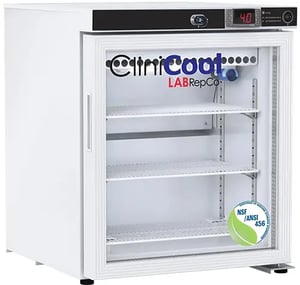
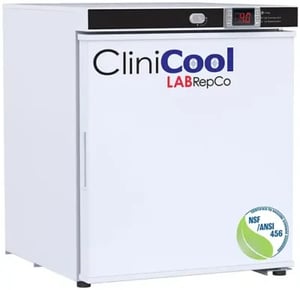
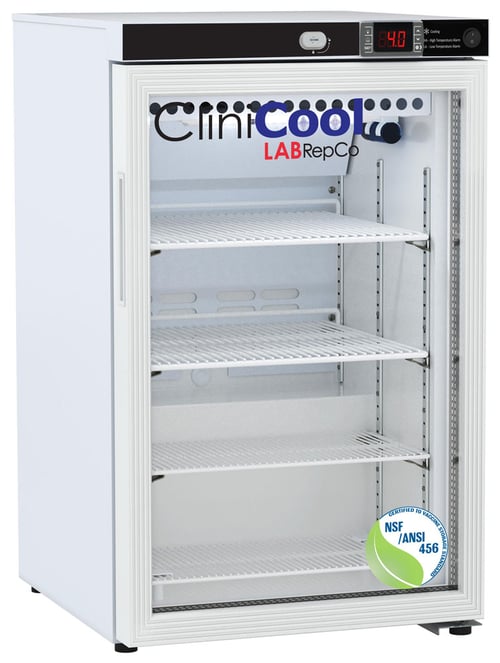
Door style is another practical consideration. Glass doors allow staff to check inventory before opening the refrigerator. Solid doors provide concealed storage and may be preferred when inventory visibility is unnecessary. Facilities storing vaccines or high-value medications should also compare locks, access controls, alarm contacts, and temperature-monitoring capabilities.

Vaccine Storage Guidance and NSF/ANSI 456

The CDC Vaccine Storage and Handling Toolkit lists NSF/ANSI 456-conforming units as the preferred option for vaccine storage. Purpose-built units are the next choice, followed by pharmaceutical-grade equipment. Household-grade refrigerators may be used as a last option for refrigerated vaccines.

Dormitory-style and bar-style combination units should never be used for vaccine storage. Their single-door design creates a significant risk of exposing refrigerated vaccines to freezing temperatures. Vaccines should also never be stored in the freezer section of a household combination refrigerator.

NSF/ANSI 456 evaluates vaccine refrigerators for temperature stability, uniformity, recovery following door openings, and other performance requirements. Certification is not automatically required for every facility, but it provides an independent measure of vaccine storage performance. VFC providers should confirm equipment requirements with their state or local immunization program before purchasing a refrigerator.

Every vaccine storage unit must also have an appropriate temperature-monitoring device. The CDC advises using digital data loggers for routine storage because they provide a continuous temperature history and document how long an excursion lasted. Monitoring requirements, calibration schedules, and acceptable logging intervals may vary by program.

Why Buy a Medical Refrigerator from LabRepCo?

LabRepCo offers refrigerators ranging from compact benchtop units to large-capacity upright and pass-through models. The selection includes NSF/ANSI 456-certified equipment, ENERGY STAR-certified models, hydrocarbon-refrigerant options, and refrigerators available through GSA Advantage.

Our regional sales representatives are supported by national inside sales and technical personnel. They can help compare capacity, installation requirements, temperature controls, monitoring, lead times, and purchasing options across brands.

LabRepCo is a 100% employee-owned laboratory equipment distributor and manufacturers rep company serving scientific, clinical, and research organizations since 1978.

Frequently Asked Questions About Medical Refrigerators

What temperature should a vaccine refrigerator maintain?

A vaccine refrigerator should maintain temperatures between 2°C and 8°C (36°F and 46°F). The CDC recommends a 5°C (41°F) setpoint. Always verify the storage instructions supplied by the vaccine manufacturer.

Is NSF/ANSI 456 certification required for vaccine storage?

Requirements vary by state, immunization program, and healthcare organization. The CDC identifies units that conform to NSF/ANSI 456 as the preferred option. VFC providers should check with their state or local immunization program before purchasing equipment.

What is the difference between a medical refrigerator and a household refrigerator?

Medical refrigerators are designed for storing vaccines, medications, biologics, or other temperature-sensitive materials. Depending on the model, they may provide forced-air circulation, microprocessor controls, alarms, locks, probe access ports, and temperature logging.

Household-grade refrigerators can have greater temperature variation and are listed by the CDC as a last option for refrigerated vaccines. Dormitory-style and bar-style combination units should never be used.

Does a vaccine refrigerator need a digital data logger?

Every vaccine storage unit needs an appropriate temperature-monitoring device. The CDC advises using a digital data logger for routine vaccine storage. Look for a device with current, minimum, and maximum temperature displays, a valid certificate of calibration, and accuracy suitable for vaccine monitoring.

Can any medical refrigerator be used for vaccines?

The term “medical refrigerator” does not confirm that a model meets every vaccine storage requirement. Review its temperature range, intended application, monitoring features, and certification before storing vaccines. State and VFC program requirements should also be confirmed.

What size medical refrigerator do I need?

Base the size on your maximum inventory rather than your average inventory. Account for seasonal demand, delivery frequency, shelf layout, package dimensions, and future needs. The refrigerator should have enough open space to maintain proper airflow around stored products.

Does LabRepCo carry its own medical refrigerator brand?

Yes. LabRepCo CliniCool is LabRepCo’s proprietary line of medical, pharmacy, and vaccine refrigerators. The line includes benchtop, undercounter, upright, built-in, freestanding, glass-door, and solid-door models. NSF/ANSI 456-certified and ENERGY STAR-certified options are available.

For related equipment, browse our blood bank refrigerators, pharmacy vaccine freezers, laboratory refrigerators, and data loggers and thermometers. For help comparing models, call LabRepCo at 800-521-0754.