
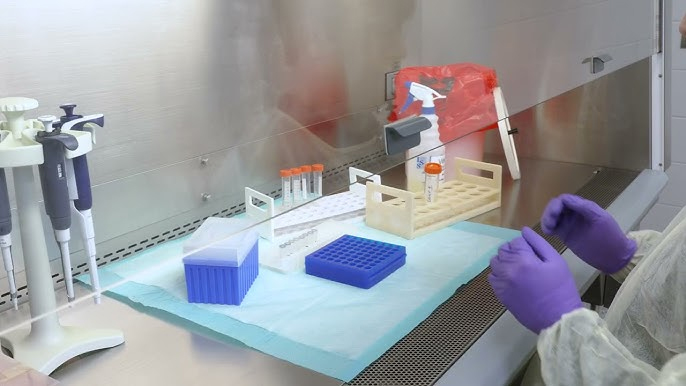
When it comes to compounding non-sterile hazardous drugs, there is no room for shortcuts. A Containment Ventilated Enclosure (CVE) is specifically designed to protect both the operator and the surrounding environment from exposure to hazardous drug particulates. But owning a CVE is only part of the equation. Working safely in a containment ventilated enclosure and knowing how to use it properly is critical for maintaining a safe, compliant workspace.
This guide covers the essential steps and best practices for Working Safely in a Containment Ventilated Enclosure (CVE), ensuring your team can confidently handle hazardous materials while minimizing risk.
Why CVE Training Matters
A CVE’s effectiveness depends heavily on proper use. Even the most advanced equipment cannot compensate for poor technique or unsafe habits. Only trained and qualified personnel should operate within the enclosure, and all staff should be familiar with the unit’s airflow patterns, filtration systems, and safe handling procedures.
For a visual demonstration of correct CVE techniques, NuAire provides a detailed training resource, Working Safely in Your Containment Ventilated Enclosure.
Personal Protective Equipment (PPE) for CVE Use
Before any work begins, PPE must be worn correctly. This includes:

- Performing thorough hand hygiene
- Donning double chemotherapy-tested gloves
- Wearing a protective gown with closed cuffs
- Using additional protection such as safety glasses or respirators if required by facility policy
Following PPE protocols ensures that any hazardous particulates are kept away from skin, eyes, and clothing.
Preparing the Workspace
Preparation inside a CVE is just as important as the compounding process itself. All tools, ingredients, and supplies should be pre-staged inside the enclosure before work begins. This minimizes the need to repeatedly move items in and out, which could disturb airflow or introduce contaminants.
It’s also important to reduce foot traffic around the CVE while it’s in use, as sudden movements or drafts in the surrounding area can impact containment performance.
Handling Contaminated Materials
To maintain a safe and clean workspace inside the CVE:
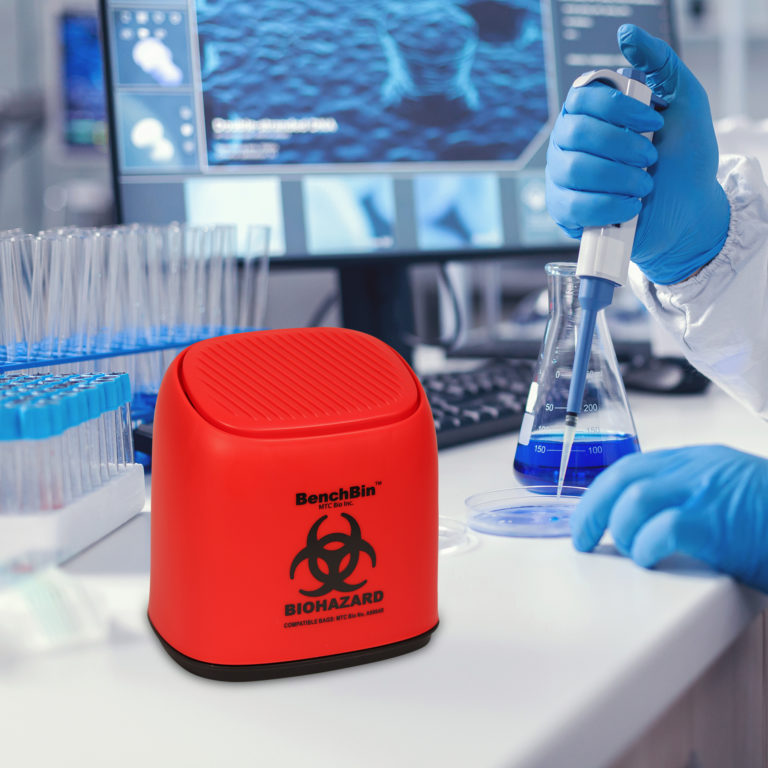
- Place any used tools or containers into a wet bin with an appropriate deactivating solution.
- Use the CVE’s waste chute or other designated disposal system for contaminated materials.
These practices reduce airborne particles and keep hazardous materials contained until proper disposal.
Preserving Laminar Airflow
The CVE relies on smooth, directional airflow to capture hazardous particulates. Disrupting this airflow can compromise safety. To maintain optimal performance:
- Work with slow, deliberate movements inside the enclosure
- Keep materials organized so they do not block airflow paths
- Avoid placing large objects directly in front of the air intake
Using Technology in the CVE
Incorporating compounding formulation software or other digital tools can improve accuracy and workflow efficiency. However, it’s important to position laptops, tablets, or monitors so they don’t obstruct airflow or create unnecessary turbulence inside the enclosure.
Cleaning and Waste Disposal
Once compounding is complete:
- Carefully dispose of all waste according to facility guidelines and hazardous drug handling regulations.
- Clean all interior surfaces using an approved deactivation and decontamination agent.
- Wipe down tools and remove PPE in the correct order to avoid contamination spread.
For detailed cleaning and operational guidance, you can refer to NuAire’s full video tutorial on Working Safely in Your Containment Ventilated Enclosure.
Final Thoughts
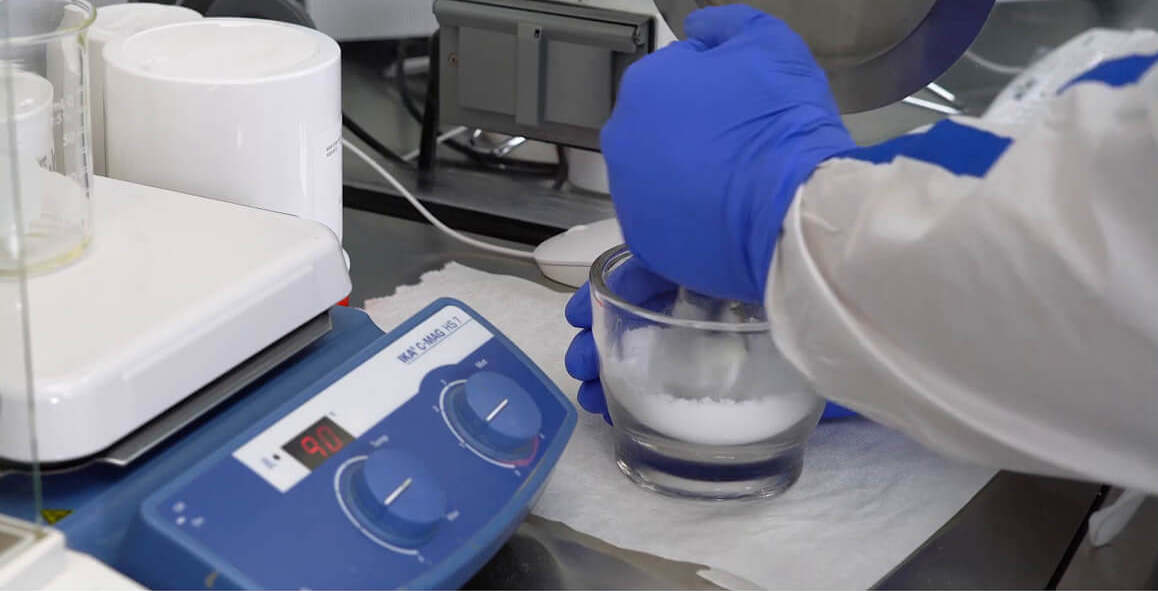
The Containment Ventilated Enclosure (CVE) is a vital piece of safety equipment for any facility handling hazardous drugs. But its ability to protect personnel and the environment depends on the operator’s understanding of safe work practices. By wearing proper PPE, preparing the workspace, handling materials carefully, and maintaining laminar airflow, you can ensure your CVE performs as intended, keeping you safe every step of the way.
Frequently Asked Questions About Containment Ventilated Enclosures (CVEs)
A Containment Ventilated Enclosure is a laboratory safety cabinet designed to provide personnel and environmental protection when handling non-sterile hazardous drugs or other particulate-generating materials. It uses directional airflow and HEPA filtration to contain and remove hazardous particulates.
While both units provide personnel and environmental protection, a CVE is specifically intended for non-sterile hazardous drug compounding, whereas a biosafety cabinet is used for handling infectious biological materials.
Even the best CVE cannot provide full protection without correct use. Training ensures operators understand airflow dynamics, PPE requirements, contamination control, and proper cleaning methods.
Operators should wear chemotherapy-tested gloves, a protective gown, and other PPE as required by facility policy. Proper hand hygiene must be performed before donning gloves.
Work slowly, avoid rapid arm movements, and keep large objects away from the front air intake.
A CVE should be cleaned before and after each compounding session and after any spill.
USP <800> requires hazardous drug compounding to be performed in a containment primary engineering control, which can include a CVE if it meets all criteria.
References
NuAire. (n.d.). Working Safely in Your Containment Ventilated Enclosure [Video]. NuAire Laboratory Equipment. Retrieved August 13, 2025, from https://www.nuaire.com/resources/working-safely-in-your-containment-ventilated-enclosure-video
American Society of Health-System Pharmacists. (n.d.). Guidelines on Handling Hazardous Drugs. ASHP. Retrieved August 13, 2025, from https://www.ashp.org/-/media/assets/policy-guidelines/docs/guidelines/handling-hazardous-drugs.ashx
Hazardous Drugs Controlling Occupational Exposure. (n.d.). Occupational Safety and Health Administration. Retrieved August 13, 2025, from https://www.osha.gov/hazardous-drugs/controlling-occex
Indian Health Service. (n.d.). Chapter 27 – Handling Hazardous Drugs in the Compounding Environment. IHS Technical Handbook. Retrieved August 13, 2025, from https://www.ihs.gov/ihm/pc/part-3/p3c27
Medisca. (2023, August 29). Non-Sterile Compounding: A Guide to Primary Engineering Controls. Medisca. Retrieved August 13, 2025, from https://www.medisca.com/blog/non-sterile-compounding-a-guide-to-primary-engineering-controls
National Institute for Occupational Safety and Health. (2023). Managing Hazardous Drug Exposures: Information for Healthcare Settings [PDF]. Centers for Disease Control and Prevention. Retrieved August 13, 2025, from https://www.cdc.gov/niosh/docs/2023-130/2023-130.pdf?id=10.26616%2FNIOSHPUB2023130