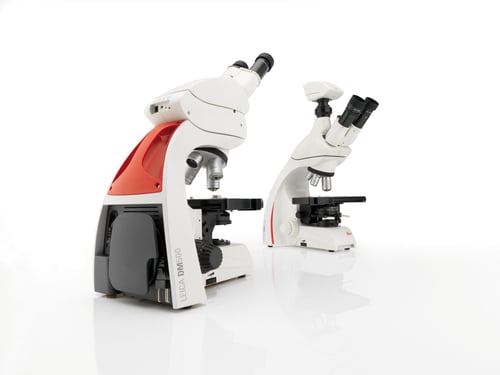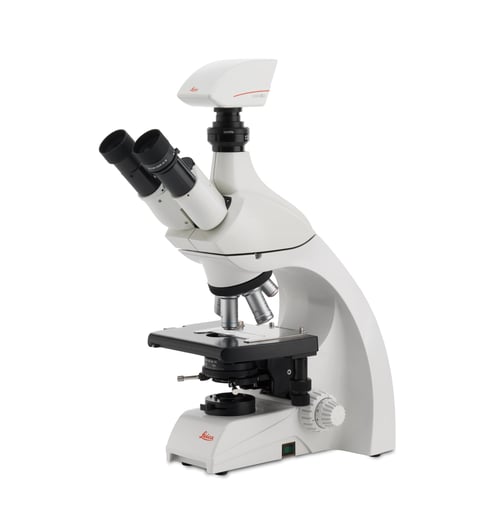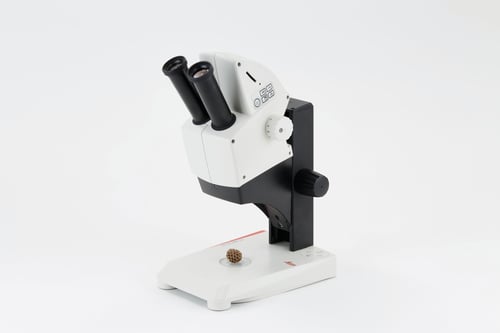
Educational microscopes are designed to support hands-on learning in classrooms, teaching labs, and training environments. Built for simplicity, durability, and consistent performance, these microscopes help students clearly observe cells, tissues, and microorganisms while developing foundational laboratory skills.
At LabRepCo, our educational microscopes are selected for ease of use, rugged construction, and reliable optical clarity. Whether used in K-12 classrooms, university labs, or instructional training settings, these systems are engineered to withstand frequent handling while delivering dependable results for everyday teaching applications.
Educational microscopes prioritize usability and durability over complex features. With straightforward controls, stable designs, and minimal maintenance requirements, they allow students to focus on learning rather than setup.
Common benefits include:
The most widely used option in classrooms. Ideal for viewing prepared slides such as cells, tissues, and microorganisms at higher magnifications.
Provide a three-dimensional view of larger specimens like insects, plants, and small objects. Commonly used for hands-on exploration and dissection.
Equipped with cameras or screen connectivity for group instruction, demonstrations, and image capture.
Educational microscopes are used to support:
When selecting an educational microscope, important factors include:
Educational microscopes play a critical role in building foundational scientific knowledge. By providing clear, hands-on visualization of microscopic structures, they help students better understand complex biological concepts and develop essential lab skills.
Submit a PO
Looking to submit a purchase order rather than buying online? Click on the Submit a PO button to learn more.
Sales & Support
Customer Service
Mon - Fri: 8AM to 5PM ET
101 Witmer Road, Suite 700
Horsham, PA 19044
Would you like us to get in touch with you? Fill out the form below and we will contact you.