Choosing the right cleanroom for your lab is a critical decision that impacts both the efficiency and scalability of your operations. Mobile and modular cleanrooms each offer distinct advantages, and selecting the appropriate type depends on your lab’s specific needs, timeline, and infrastructure. Understanding the key differences between mobile and modular cleanrooms will help ensure you choose the best solution for your application.

Mobile Cleanrooms: Flexibility on the Move
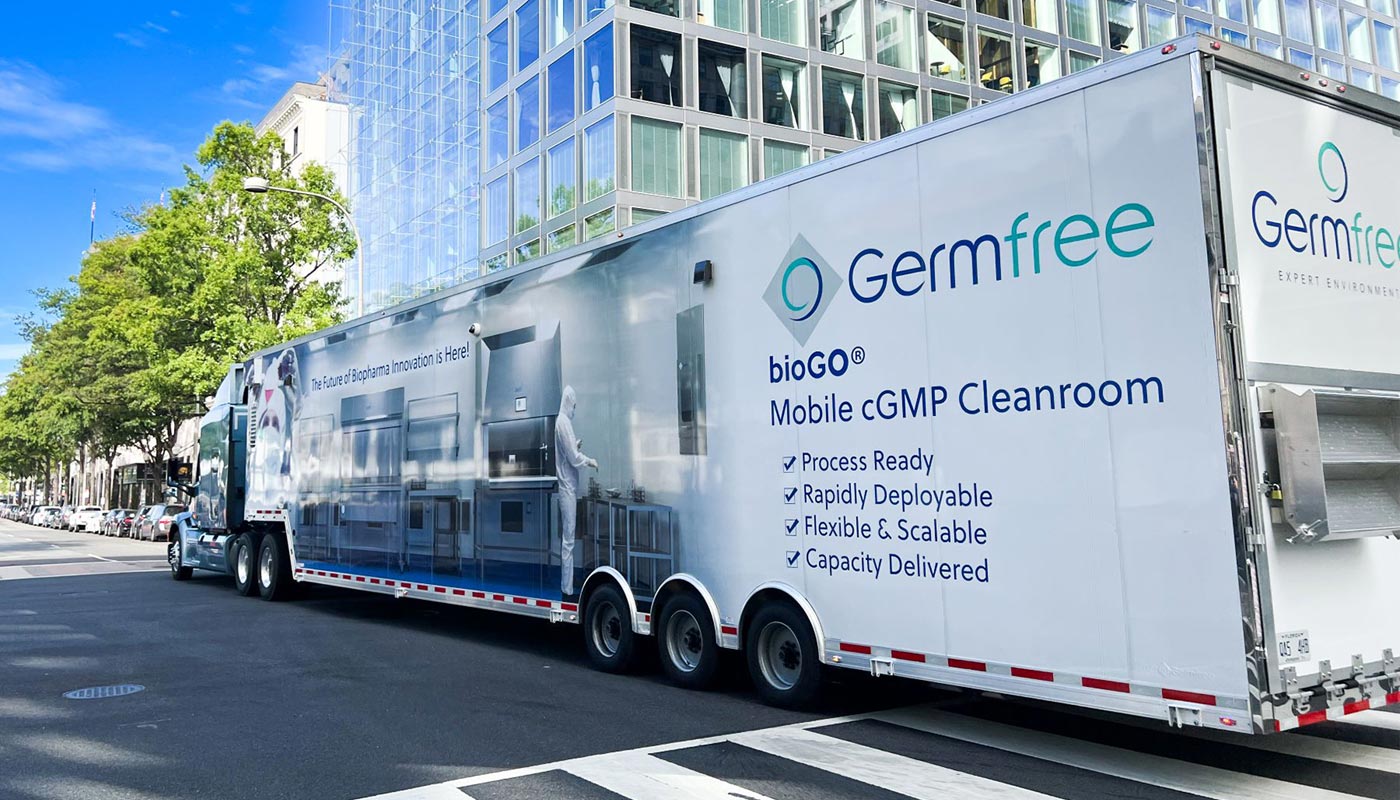
Mobile cleanrooms are designed for adaptability and rapid deployment. Built on platforms like sprinter vans, cargo trailers, or semi-trailers, these units are ideal when immediate cleanroom space is needed. For example, during disease outbreaks, mobile cleanrooms can act as hubs for surveillance or emergency manufacturing, addressing critical short-term needs. Their portability makes them a practical solution for deployment in remote areas or where infrastructure is limited.
Key Features:
- Rapid Deployment: Mobile cleanrooms can be designed, built, and operational within months, providing a quick response to urgent demands like increased capacity or emergency interventions.
- Portability: These units can be easily moved and redeployed to different sites globally, allowing flexibility across various locations.
- Minimal Infrastructure Requirements: Since they require little to no external infrastructure, mobile cleanrooms are suitable for deployment in undeveloped or remote areas.
- Common Applications: Mobile cleanrooms are frequently used in biocontainment, gene therapy, emergency disease response, and point-of-care manufacturing.
Modular Cleanrooms: Scalable, Permanent Solutions
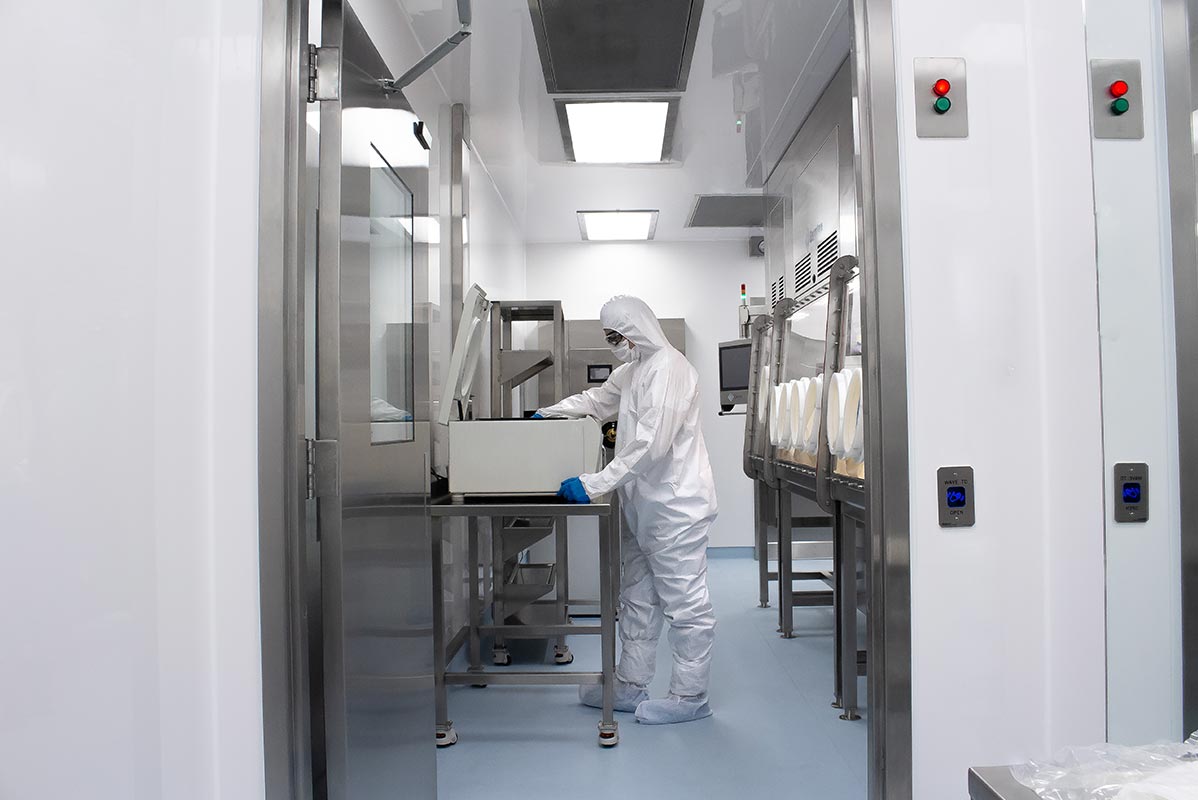
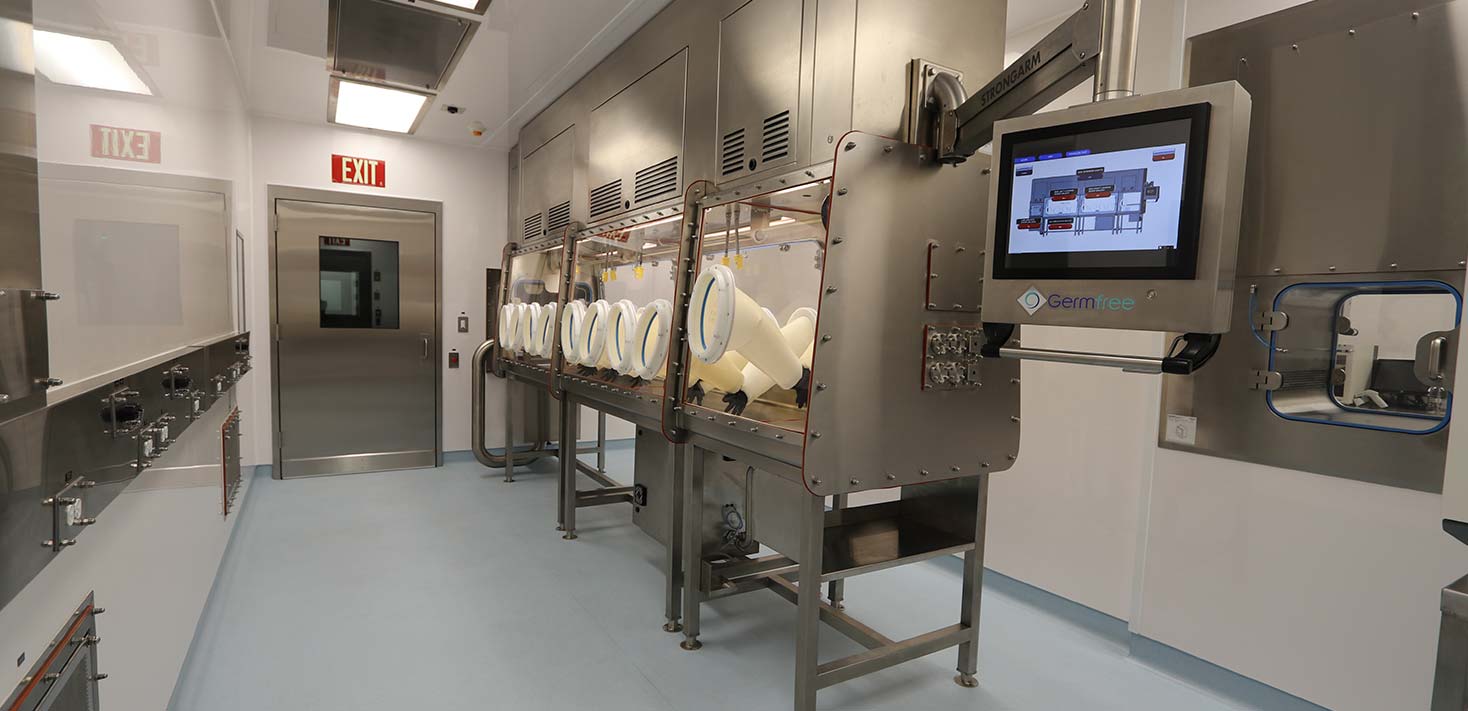
Modular cleanrooms offer a more long-term solution, typically pre-fabricated off-site and assembled on-site. They are ideal for organizations that require scalability and the ability to grow operations efficiently. Unlike mobile cleanrooms, modular cleanrooms can accommodate large-scale equipment and complex workflows, making them a more robust choice for permanent installations in biopharma and healthcare settings.
Key Features:
- Scalability: Modular cleanrooms can be expanded by adding new modules over time, allowing organizations to grow at their own pace without overhauling their infrastructure.
- Integration with Existing Facilities: These cleanrooms are designed to integrate seamlessly with existing utilities and infrastructure, making them a cost-effective solution for long-term use.
- Permanent Installation: While they can be relocated if needed, modular cleanrooms are often designed for permanent use, suitable for facilities with more complex, long-term needs.
- Common Applications: Commonly found in biopharma for viral vector production, mRNA development, and vaccine manufacturing, as well as in healthcare for hospital compounding.
A More In-Depth Comparison
To enhance the depth of understanding, let’s dive deeper into each cleanroom type’s strengths and limitations.
Mobile Cleanrooms:
- Strengths:
- Speed: The ability to deploy quickly makes mobile cleanrooms a lifesaver in emergency situations, such as outbreaks or unexpected capacity surges.
- Cost-Effective for Short-Term Use: If you need a temporary solution for a project, mobile cleanrooms offer a flexible and cost-effective option. Leasing is also available, reducing upfront investment.
- Self-Sufficient Operation: Built-in MEP (Mechanical, Electrical, Plumbing) and HVAC systems make these cleanrooms highly adaptable, operating independently of external facilities.
- Limitations:
- Space Constraints: Mobile cleanrooms are generally smaller and cannot support larger process equipment or more complex workflows.
- Limited Scalability: While they are movable, the infrastructure is not as expandable as modular cleanrooms, limiting their usefulness for long-term growth.
Modular Cleanrooms:
- Strengths:
- Scalability: The ability to expand by adding modules makes modular cleanrooms a sustainable long-term investment.
- Accommodates Complex Processes: With the ability to handle large process equipment and complex workflows, modular cleanrooms are better suited for high-demand industries like biopharma.
- Cost-Effective for Long-Term Use: While the upfront cost may be higher, modular cleanrooms save money over time by integrating with existing infrastructure and reducing future expansion costs.
- Limitations:
- Longer Lead Times: Compared to mobile cleanrooms, modular cleanrooms require more time for design, manufacturing, and installation.
- Permanent Nature: Although relocatable, modular cleanrooms are generally considered a permanent solution and require substantial upfront investment.
Choosing the Right Cleanroom for Your Laboratory
To select the best cleanroom for your needs, consider these factors:
- Deployment Timeline: If your project is time-sensitive or you anticipate urgent, short-term needs, a mobile cleanroom offers the quickest solution. For longer-term, large-scale operations, modular cleanrooms are a better investment.
- Flexibility and Mobility: Mobile cleanrooms are ideal for facilities that require the flexibility to relocate frequently or respond to global operations.
- Scalability: If your operations are expected to grow significantly, modular cleanrooms offer an expandable, future-proof option.
- Cost Considerations: For temporary or emergency needs, mobile cleanrooms might be more cost-effective, whereas modular cleanrooms are more cost-efficient for permanent, long-term use.
Both mobile and modular cleanrooms play a vital role in maintaining contamination control in critical laboratory environments. Whether your focus is on biopharma, healthcare, or emergency response, understanding these cleanroom options helps ensure your lab is equipped with the right tools to maintain high safety, efficiency, and operational standards.
LabRepCo proudly partners with GermFree to help design the ideal mobile or modular cleanrooms, laboratories, pharmacies and more. Fill out the contact form below to speak with your local LabRepCo representative to learn more information about GermFree equipment and services.
Frequently Asked Questions: Mobile vs Modular Cleanrooms
A mobile cleanroom is a standalone, trailer-based or containerized facility equipped with self-contained HVAC and utilities, ideal for rapid deployment and relocation. A modular cleanroom, on the other hand, consists of prefabricated panels built off-site for assembly on location. Modular units are typically intended for longer-term installation within or adjacent to existing structures
Mobile cleanrooms excel in speed and flexibility. They are operational within hours of arrival, require minimal infrastructure, and can be set up in remote or temporary spaces. This makes them ideal for emergencies, surge capacity, or short-term projects where rapid readiness is essential
Modular cleanrooms are designed for longevity and expansion. They offer seamless integration with existing building utilities, can be customized in size and configuration, and are built more quickly than traditional construction methods. Their prefabricated nature allows for accelerated timelines and eventual relocatability
Mobile cleanrooms cost-effectively deliver quick, plug-and-play clean environments, with minimal site prep and rapid operational capability. Modular cleanrooms generally take longer—ranging from several weeks to months for installation, but they tend to offer more customization at a potentially lower long-term cost compared to traditional built-in-place designs
Both mobile and modular cleanrooms can satisfy stringent ISO classifications (e.g., ISO 5–7) and regulatory standards. Mobile units, particularly those with large access doors and stainless-steel interiors, may offer superior cleanliness and ease of sanitization. Modular systems are also built to high standards and can be validated to meet industry-specific requirements
For sustained and scalable cleanroom operations, modular cleanrooms are generally the optimal choice. They offer broader layout flexibility, integration into facility infrastructure, and long-term reliability. Mobile cleanrooms are better suited for temporary, agile applications where speed and reconfigurability are key