
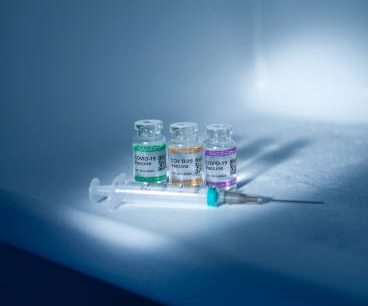
When it comes to vaccine storage, there is no room for error. Proper storage practices are critical to maintaining the effectiveness of vaccines and ensuring they are safe to administer. This guide will walk you through the correct way to store vaccines, providing clear and actionable steps to help you safeguard these life-saving products.
Understand the Regulations and Guidelines
To store vaccines correctly, it’s essential to be familiar with the regulations that govern vaccine storage. Key guidelines include:
- CDC’s Vaccine Storage and Handling Pink Book
- EU GDP Guidelines
- USP <1079> and USP <659>
- WHO Guidelines on International Packaging and Shipping of Vaccines
These guidelines cover everything from temperature control to inventory management and documentation. Compliance with these standards ensures that vaccines remain potent and safe from the point of manufacture to administration.
Maintain the Right Temperature to Properly Store Vaccines
Temperature is the most critical factor in vaccine storage:
- Refrigerated Vaccines: Refrigerated vaccines should be stored at temperatures between +2°C and +8°C (+36°F to +46°F), with an optimal setting at +5°C (+40°F). These vaccines should never be frozen, even temporarily.
- Frozen Vaccines: Vaccines the need to be kept frozen should be stored at temperatures between -50°C and -15°C (-58°F to +5°F) and should never go warmer than -15°C. This is different from standard pharmaceutical freezers, which typically operate at -25°C to -10°C.
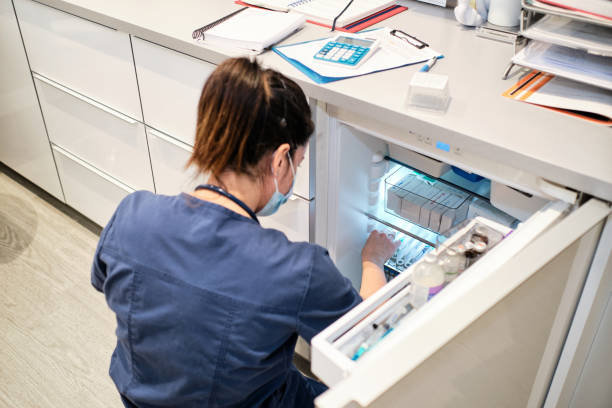
To properly monitor temperature data and ensure vaccine efficacy, every storage unit must have a temperature monitoring device (TMD). These temperature monitoring devices ideally should be a digital, continuous temperature monitoring system that logs data and sends alerts if temperatures stray from the recommended range. This helps prevent temperature excursions that could damage the vaccines.
Use the Right Equipment
Considering proper temperature storage is the most critical factor for safely storing vaccines, storing them in a purpose-built medical/vaccine refrigeration unit is recommended.
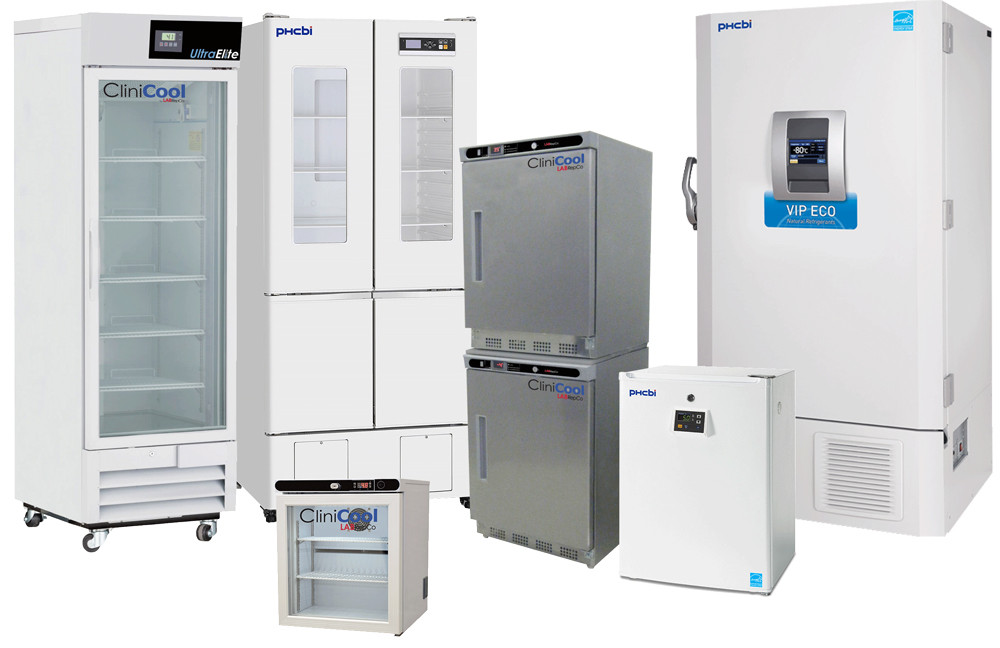
- Use Purpose-Built Refrigeration Units: These types of medical-grade refrigerators and freezers are specifically designed and tested for safe storage of biologics. They have been tested and offer precise temperature control and uniformity.
- Avoid Household & Dormitory-Style Fridges: Household-grade & small, single-door units are not recommended due to their unreliability and temperature fluctuations. They are notorious for temperature instability and should never be used to store vaccines.
Vaccines should also be stored in their original packaging to protect them from light and temperature fluctuations.
Implement Robust Temperature Monitoring to Safely Store Vaccines
Continuous temperature monitoring is crucial for maintaining vaccine integrity:
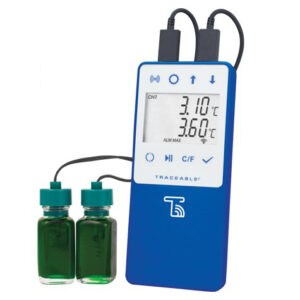
- Calibration and Certification: Ensure that all temperature monitoring devices used are calibrated and certified to meet standards like those from the National Institute of Standards and Technology (NIST).
- Digital Data Logging: Use digital data loggers with Certificates of Calibration and programmable logging intervals. These devices help maintain a reliable temperature history that is essential for audits and compliance. A digital data logger will record & store temperature data overtime as opposed to a thermometer that will only show the current temperature. The data logger history will show if a vaccines temperature has remained stable or fluctuated out of the safe zone at any point of time. This will allow your staff to be sure of a vaccines efficacy and give the OK to safely administer the vaccine.
Organize and Manage Inventory Properly
Proper inventory management is key to preventing waste and ensuring the correct vaccines are administered:
- First Expired, First Out (FEFO): Arrange vaccines by expiration date, using those with the nearest expiration first. Be sure to always check the expiration date before administering the vaccine to a patient.
- Avoid Storing “Sound-Alike” or “Look-Alike” Vaccines Together: This prevents mix-ups and ensures the correct vaccine is given to the patient.
- Maintain Accurate Logs: Keep detailed records of vaccine inventory, including lot numbers, expiration dates, and storage conditions.
Prepare for Emergencies
A comprehensive emergency plan is essential in case of extreme weather conditions or general power outages:
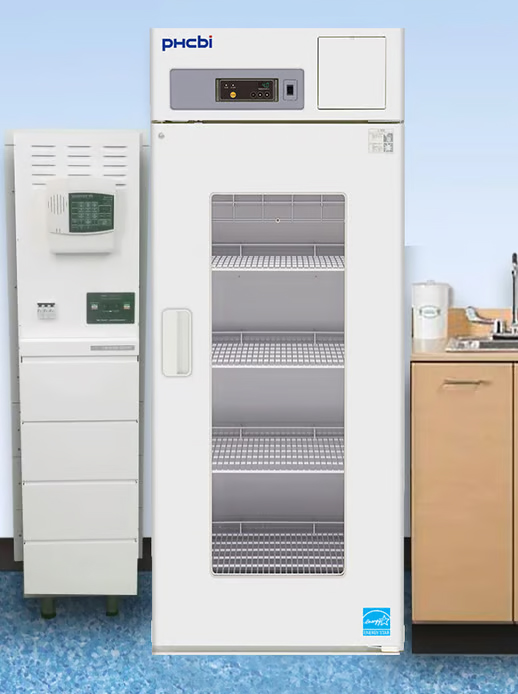
- Backup Power Supply: Ensure that all storage units are connected to an uninterrupted power supply, such as a generator or battery backup system, and consider using surge protectors.
- Emergency Storage Locations: Identify alternative storage locations in case of a power outage or equipment failure. If possible, have a backup plan to relocate vaccines to a different facility or a battery-powered refrigeration unit.
Train Your Staff to Properly Store Vaccines
Proper training is vital to ensure that vaccines are stored correctly:
- Designate Vaccine Coordinators: Assign a primary and backup coordinator responsible for vaccine storage and handling.
- Continuous Education: Provide ongoing training for staff, especially when new vaccines are introduced or guidelines change.
Conclusion
Storing vaccines correctly is not just about following protocols; it’s about protecting the health of the community. By adhering to these best practices, you can ensure that vaccines remain effective and safe from the moment they arrive at your facility until they are administered to patients. Implementing these guidelines will position your practice as a leader in vaccine management, safeguarding public health and earning the trust of those you serve.
Remember, the correct way to store vaccines is a commitment to excellence in healthcare.
FAQ: The Correct Way to Store Vaccines
Vaccines must be stored in purpose-built medical refrigerators or freezers at tightly regulated temperatures. Refrigerated vaccines should be kept between +2°C and +8°C, while frozen vaccines must remain between -50°C and -15°C. Proper storage also includes using digital temperature monitoring, original packaging, and accurate inventory tracking.
Temperature control is critical because vaccines can lose potency if stored outside their recommended temperature range. Even brief temperature excursions can render vaccines ineffective. Continuous digital monitoring with alarms and data logging helps maintain safe conditions and ensures vaccine integrity.
No. Household and dormitory-style refrigerators are not recommended for vaccine storage. They often experience temperature fluctuations and uneven cooling, which can compromise vaccine efficacy. Use purpose-built, medical-grade refrigeration units designed for biologic storage.
Essential equipment includes:
-Purpose-built vaccine refrigerators or freezers
-Digital data loggers with calibration certificates
-Temperature monitoring devices (TMDs)
-Backup power supplies or generators
-Surge protectors
-Original vaccine packaging for added protection
Follow the First Expired, First Out (FEFO) method to use vaccines with the nearest expiration date first. Store “look-alike” or “sound-alike” vaccines separately, and keep detailed inventory records including expiration dates, lot numbers, and storage conditions.
A TMD is a device used to monitor the internal temperature of vaccine storage units. Digital TMDs with data loggers record temperature trends over time and alert staff if there are any deviations, helping ensure the vaccines remain viable and safe to use.
An emergency plan should include:
-A backup power source (generator or battery)
-Surge protectors for refrigeration units
-Alternate storage locations for relocating vaccines if needed
-Predefined roles for staff during power outages or emergencies
Training should cover vaccine storage guidelines, temperature monitoring procedures, emergency plans, and inventory management. Designate a primary and backup vaccine coordinator and provide ongoing education, especially when new vaccines or updates are introduced.
Disclaimer:
This blog post is intended for general informational purposes only and should not be considered medical or clinical guidance. LabRepCo is not a healthcare provider or vaccine expert. Always refer to official sources such as the Centers for Disease Control and Prevention (CDC) for the most current and comprehensive guidelines on vaccine storage, handling, and best practices.