
Buying a laboratory refrigerator or freezer is not a one-size-fits-all decision. The unit you choose directly affects the safety of your samples, your compliance with regulations, and the day-to-day efficiency of your workflow. Whether you’re outfitting a research lab, a clinical facility, or a pharmaceutical environment, knowing what to look for will help you make the right choice the first time. To help guide your decision, here are the most important points to consider before buying a lab refrigerator or freezer.
1. Know What You’re Storing
Before anything else, identify exactly what you’ll be storing. This determines the temperature range, defrost method, and safety features you’ll need.
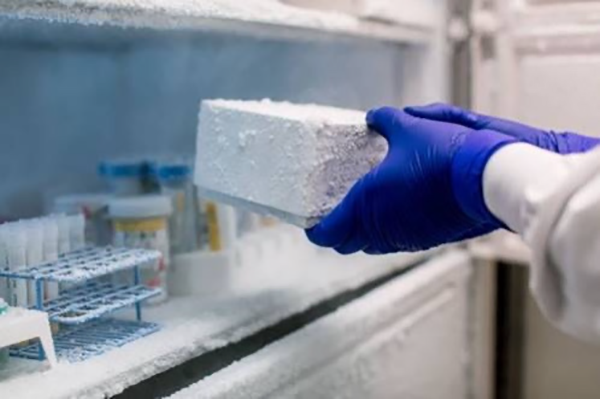
- Reagents and enzymes are highly temperature-sensitive and can degrade if exposed to temperature fluctuations.
- Vaccines require precise, stable temperatures and must comply with CDC storage guidelines. Using the wrong storage environment can render them ineffective.
- Blood products like plasma and red cells often require -30°C storage or lower and may need advanced alarm and backup systems.
- Flammable chemicals must be stored in spark-free or fireproof units to reduce the risk of ignition in your lab.
Choosing the right unit ensures sample integrity, improves lab safety, and avoids costly replacements down the road.
2. Understand Temperature Requirements
Not all refrigerators and freezers operate at the same temperature, so it’s essential to match your unit to your storage needs.
- Standard lab refrigerators maintain +2°C to +8°C and are suitable for most reagents and biologicals.
- Standard lab freezers typically run at -20°C or -30°C and are ideal for general sample storage.
- Low-temperature freezers operate around -45°C for certain specialized materials.
- Ultra-low temperature (ULT) freezers can reach -50°C to -86°C and are essential for long-term storage of delicate biological materials like RNA, DNA, and tissues.
Tip: Many labs are now setting their ULT freezers to -70°C instead of -80°C. This can save up to 30% in energy while preserving sample integrity.
Always double-check the required storage temperature for your materials before making a purchase.
3. Choose the Right Defrost Type
The defrosting method plays a critical role in maintaining a stable storage environment, especially in freezers.
- Refrigerators are typically standard auto defrost. This is generally sufficient for most lab needs since temperature variation during defrost cycles is minimal.
- Freezers, however, require more careful consideration:
- Manual defrost freezers provide the most stable internal environment. They do not warm up to melt frost, which means no unwanted temperature fluctuations. These are strongly recommended for storing temperature-sensitive materials like vaccines, enzymes, and pharmaceuticals. The downside is that defrosting must be done manually, which requires temporarily relocating your samples.
- Auto defrost freezers periodically heat the coils to remove ice, which can cause brief temperature increases inside the chamber. While they are more convenient, they are best used for non-critical sample storage where slight fluctuations will not impact sample quality.
Bottom line: For sensitive materials, manual defrost freezers are the gold standard.
4. Assess Internal and External Size
Size matters, not just for storage capacity, but for space planning and energy use.
- Internal storage capacity should match your current inventory and leave room for growth. Overfilling restricts airflow, while under-filling can waste energy and put stress on the compressor.
- External dimensions are equally important. Measure your doorways, hallways, elevators, and installation area to ensure the unit fits comfortably.
- Installation requirements should also be considered. Determine whether you need a freestanding, benchtop or under-counter model and ensure proper ventilation clearance around the unit.
Planning ahead helps avoid delivery and setup issues while maximizing performance.
5. Evaluate Energy Efficiency and Sustainability
Lab cold storage units are among the biggest energy consumers in your facility. Choosing an energy-efficient model can significantly reduce your utility bills and carbon footprint.
- Look for Energy Star-certified units that use high-efficiency compressors and advanced insulation.
- Pay attention to eco-friendly refrigerants, low-GWP materials, and manufacturers with recycling programs or sustainability commitments.
Also, remember that setting your ULT freezer to -70°C instead of -80°C can save energy, reduce wear on the compressor, and still maintain sample integrity.
6. Think Long-Term: Total Cost of Ownership (TCO)
Do not get caught up in just the sticker price. Long-term costs often tell a more complete story.
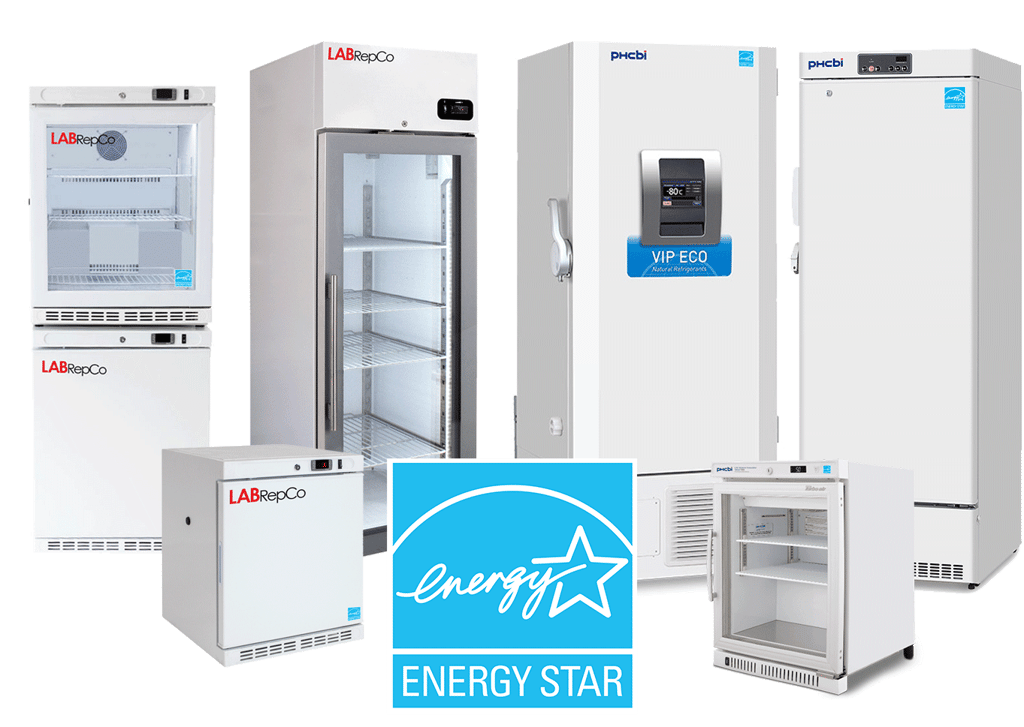
- Energy-efficient models may have a higher upfront cost but often pay for themselves through reduced operating expenses.
- Maintenance and service should factor into your decision. More complex systems may require more upkeep.
- Parts availability and repair support are also important. Choose a model with a strong warranty and a dependable service network.
The right unit balances performance, efficiency, and durability. It will save you time and money in the long run.
7. Plan for Security and Monitoring
Keeping your samples safe means more than just keeping them cold.
- Self-closing and lockable doors prevent unauthorized access and help maintain internal temperature.
- Temperature alarms and alerts notify you of any fluctuations before they become a problem.
- External displays and NIST-traceable data loggers help you monitor conditions without opening the unit.
- Remote monitoring systems provide additional peace of mind, especially during nights, weekends, or unexpected power outages.
For high-value or irreplaceable samples, these features are not optional. They are essential.

8. Consider Accessories and Customization
Make your cold storage unit work for you by outfitting it with the right accessories.
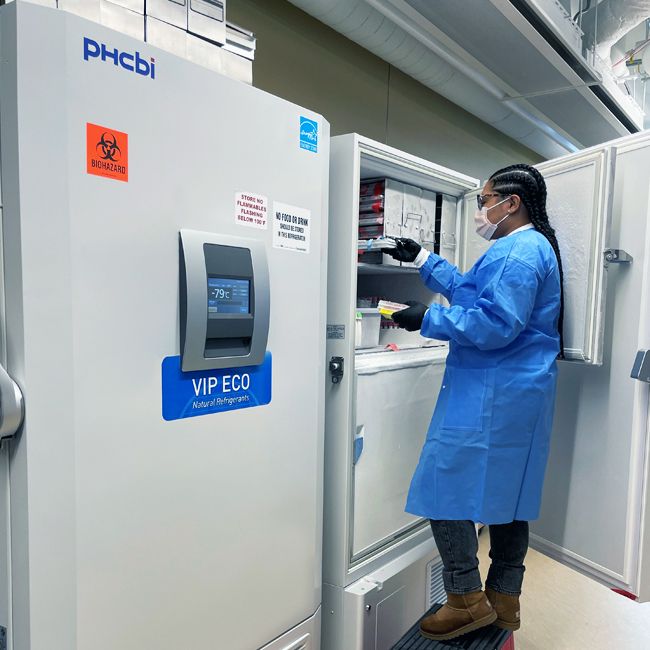
- Freezer racks, boxes, and dividers help maximize space and organize samples efficiently.
- Additional shelving or drawers improve internal airflow and usability.
- Temperature probes and logging systems ensure compliance and offer long-term traceability.
- Delivery enhancements, like lift-gate service or white-glove setup, can help get your unit installed properly without complications.
Tailoring your unit to your lab’s workflow can improve productivity and reduce daily frustrations.
Final Thoughts on Points to Consider Before Buying a Lab Refrigerator or Freezer
Choosing the right lab refrigerator or freezer starts with understanding your lab’s specific needs. From temperature range to energy use, every detail matters and these points to consider before buying a lab refrigerator or freezer should help. If you’re unsure where to start, let a cold storage specialist guide you toward the best solution for your workflow and budget.
Ready to find the right cold storage unit?
Contact LabRepCo to speak with a refrigeration expert or browse our full selection of lab refrigerators and freezers online.
It depends on your lab’s layout and available space. Freestanding units typically offer more storage and airflow clearance, while under-counter units are compact and ideal for tight spaces. Just make sure there’s enough ventilation around the unit, especially in built-in applications.
Routine maintenance includes cleaning condenser coils, checking door gaskets for a proper seal, defrosting if using a manual unit, and regularly verifying temperature accuracy. Following manufacturer guidelines will help extend the life of the unit and keep it running efficiently.
Manual defrost freezers maintain the most stable temperature because they don’t cycle through warming phases to melt frost. This consistency is ideal for storing vaccines, enzymes, and other sensitive biological materials that could degrade from even slight temperature fluctuations.
Start by evaluating how many samples you need to store and the types of containers or racks you’ll be using. Choose a unit that fits your current inventory with a little room to grow, but avoid oversized units that waste energy and strain the compressor when underloaded.
Most smaller units can plug into a standard 110V outlet, but larger or ultra-low temperature models may require a dedicated 120V or 220V circuit. Always check the unit’s electrical requirements before installation.
Yes. Many labs are switching to -70°C to reduce energy use without compromising sample integrity. Studies have shown that this setting can lower energy consumption by up to 30% and reduce strain on the compressor, which extends the life of the unit.
If you’re storing flammable chemicals, solvents, or vapors, you’ll need a flammable-safe or explosion-proof refrigerator or freezer. These units are built without internal ignition sources and follow OSHA or NFPA safety guidelines for hazardous storage environments.
Yes. Energy Star-certified models use less energy, which reduces operating costs and heat output. They also support sustainability goals without compromising temperature performance, making them a smart investment for labs focused on efficiency and environmental responsibility.