
October is recognized as Ergonomic Awareness Month, making it the perfect time to evaluate how lab ergonomics impacts your team’s comfort and well-being. By integrating ergonomic chairs, shelving, and accessories, laboratories can reduce strain, improve posture, and create healthier workspaces that help people do their best work.
Why Lab Ergonomics Matters
Laboratories demand precision, focus, and often long hours at the bench or workstation. Without proper ergonomic practices, staff may face repetitive strain injuries, neck and back pain, and fatigue. Over time, these issues can lower productivity, increase error rates, and even result in long-term health problems.
By prioritizing lab ergonomics, laboratories can:
- Reduce injury risks by minimizing repetitive stress and awkward movements.
- Promote comfort and well-being with supportive workstations tailored to the individual.
- Improve efficiency by reducing fatigue and keeping staff alert and focused.
Lab Ergonomics Inside Biosafety Cabinets
Scientists frequently spend hours working within biosafety cabinets, which makes ergonomic design critical. Poor posture or repetitive movements inside the cabinet can quickly lead to discomfort and long-term strain. NuAire designs its biosafety cabinets with ergonomics in mind and provides practical strategies to support comfort and efficiency.
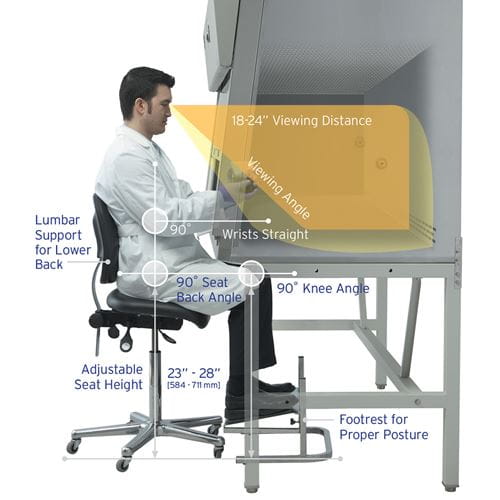
Best practices include:
- Keeping head tilt at 30 degrees or less to prevent neck strain.
- Supporting elbows and forearms with pads or rests while keeping airflow unobstructed.
- Organizing workflow from clean to dirty to limit unnecessary movements.
- Maintaining neutral wrist alignment with forearms to avoid strain.
- Sitting upright at a 90-degree angle with relaxed shoulders.
- Taking regular breaks for stretching and posture resets.
NuAire accessories such as adjustable footrests, stainless steel turntables, and forearm pads further enhance comfort and productivity.
Ergonomic Features in Ultra-Low Freezers
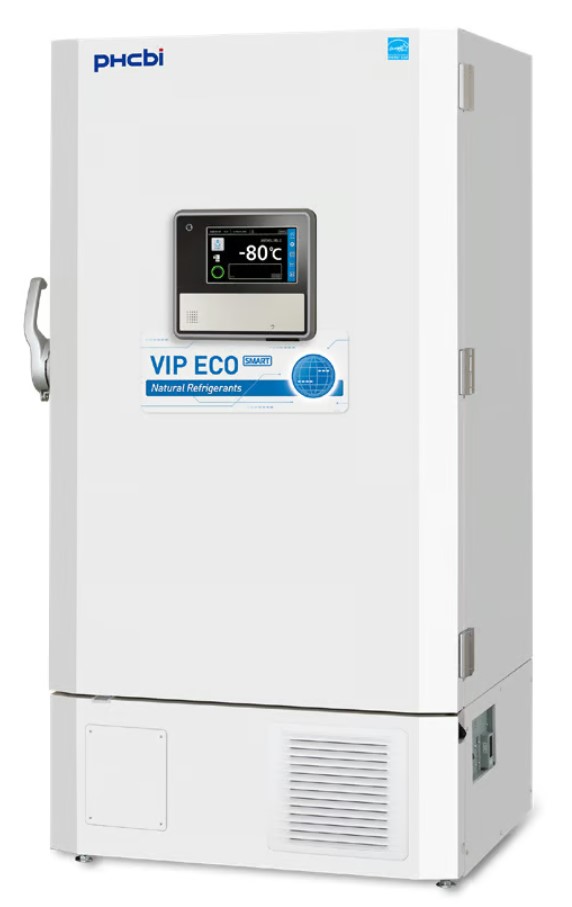
Accessing samples in ultra-low freezers can create strain if the design is not user-friendly. PHCbi VIP ECO SMART ULT freezers help solve this challenge with thoughtful features:
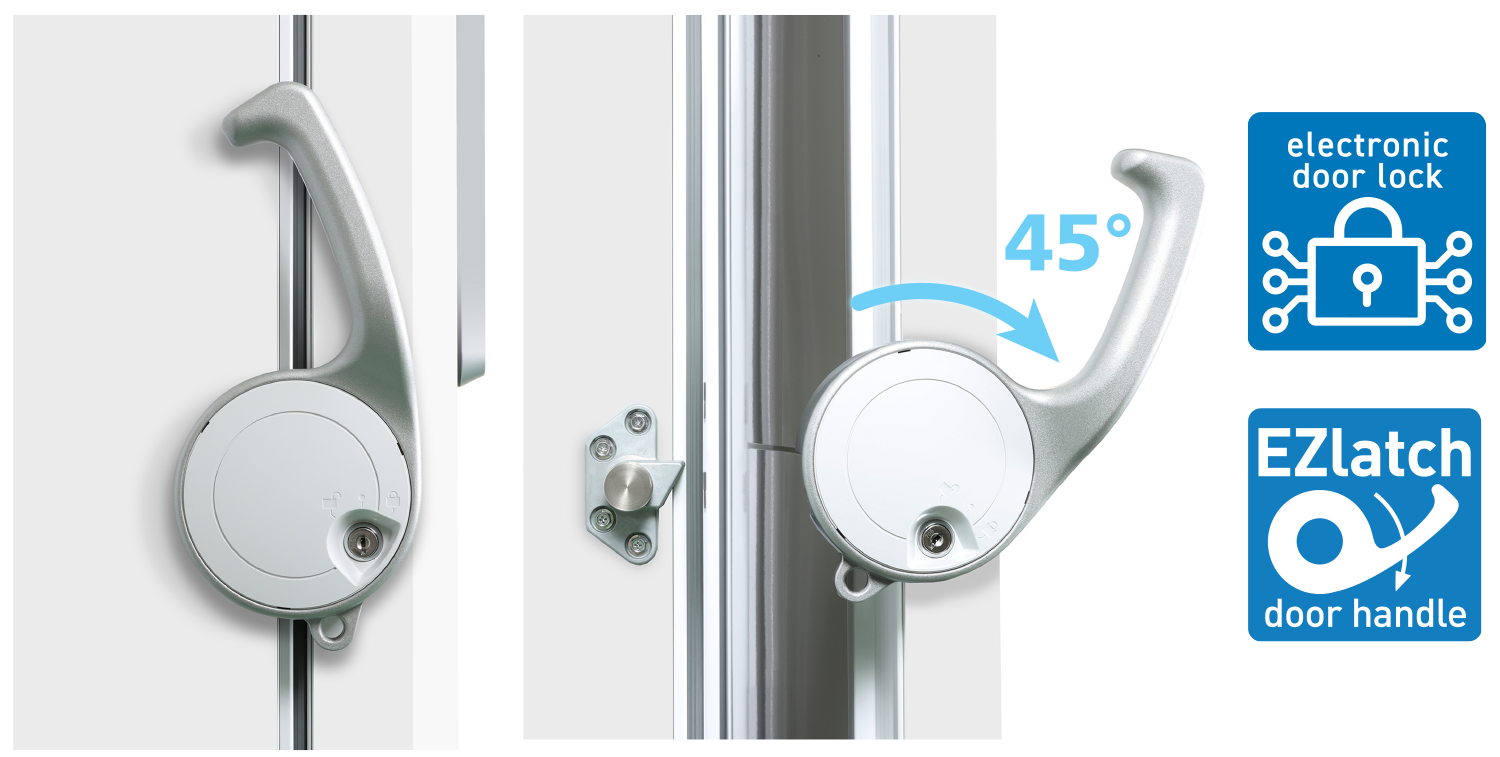
- EZlatch Door Handle: Designed for one-handed operation with a simple 45-degree arc of movement, this handle reduces effort and makes frequent access easier for all users.
- Automatic Vacuum Relief Port: This feature automatically equalizes pressure, making door openings smooth and strain-free while ensuring quick re-entry.
Together, these features support safer operation, minimize strain, and contribute to long-term reliability.
Drawer-Style Freezer Racks for Better Ergonomics
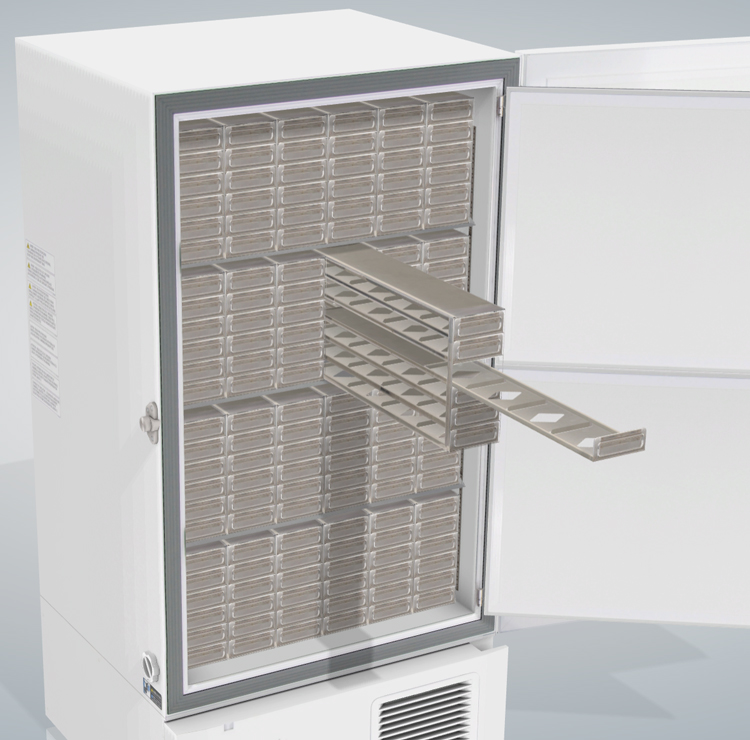
Traditional freezer racks often require lifting and reaching into deep shelves, creating unnecessary strain. Drawer-style racks eliminate these challenges by allowing users to slide out only the drawer they need.
Key benefits include:
- Easy access to samples without removing entire racks.
- Less bending and reaching when retrieving items.
- Improved organization with built-in handles and label holders.
- Smooth operation that works even with insulated gloves.
Ergonomic Chairs and Seating
Proper seating is the foundation of lab ergonomics. Researchers often spend long hours at microscopes, computers, or benches, so the right chair can make a significant difference in overall well-being.
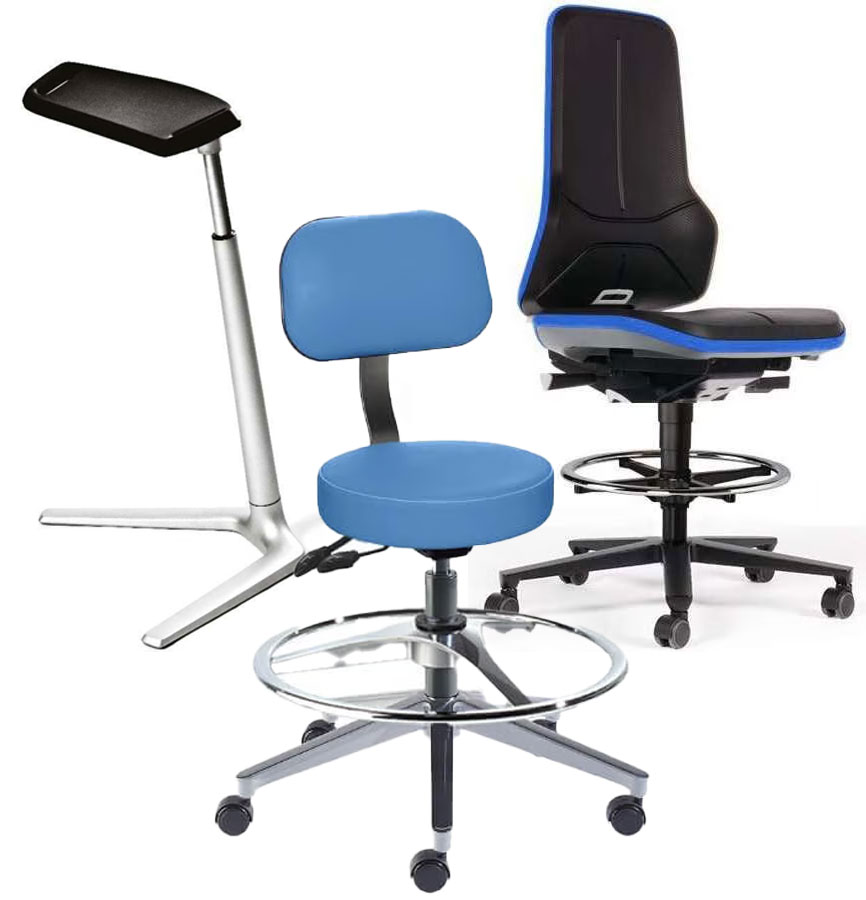
Ergonomic lab chairs are designed with:
- Adjustable lumbar support and seat height to fit different users and tasks.
- Chemical-resistant, easy-to-clean upholstery suited for lab environments.
- Footrests and casters that encourage mobility while maintaining correct posture.
With supportive seating, staff can work more comfortably while reducing the risk of strain.
Shelving and Workstation Organization
Organization plays a direct role in ergonomics. Poorly placed equipment and supplies force staff to bend, twist, or stretch repeatedly, which can increase fatigue and injury risks.
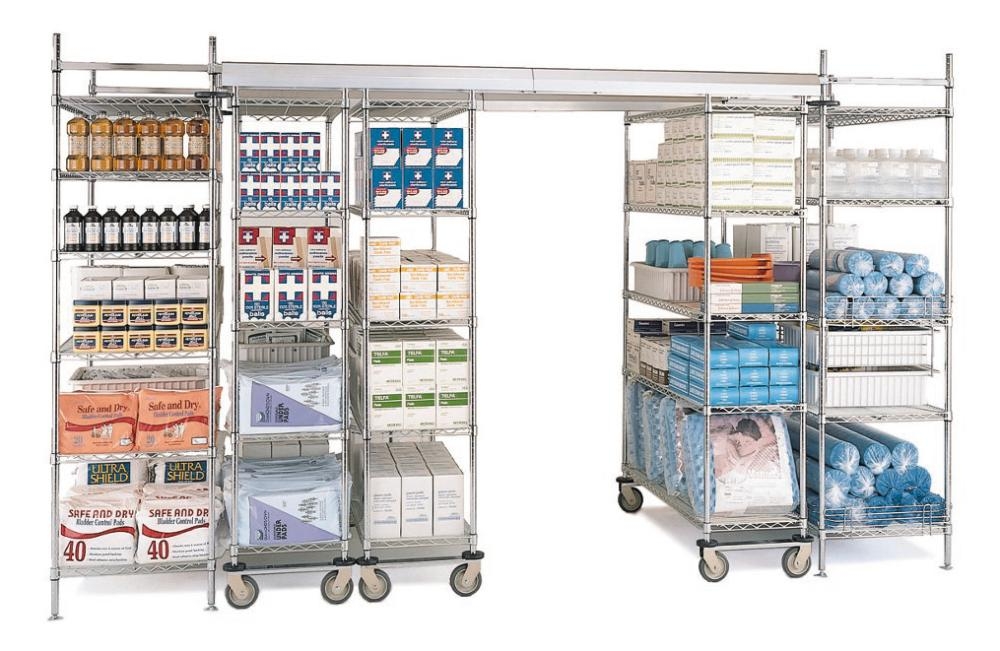
Ergonomic shelving and storage systems can help by:
- Keeping frequently used items within arm’s reach.
- Offering flexibility with mobile carts and modular storage.
- Creating optimized reach zones that make daily tasks faster and safer.
Accessories and Small Ergonomic Upgrades
Small adjustments can make a big difference in lab comfort. Affordable accessories can enhance support and improve efficiency across different work areas.
Helpful additions include:
- Anti-fatigue mats that reduce leg and foot stress during long standing periods.
- Monitor stands and keyboard trays that align technology at the correct height.
- Task lighting that reduces eye strain and improves accuracy for detailed work.
Conclusion
This October, during Ergonomic Awareness Month, consider making lab ergonomics a top priority. By investing in ergonomic equipment, chairs, shelving, and accessories, you can protect the health of your team while also improving productivity, accuracy, and morale.
Frequently Asked Questions (FAQ) About Lab Ergonomics
Lab ergonomics is the practice of designing workstations, equipment, and workflows to reduce strain, improve posture, and enhance comfort for staff working in laboratory environments.
Ergonomics helps prevent injuries such as repetitive strain, back pain, and fatigue. It also improves productivity, accuracy, and employee morale.
Biosafety cabinets with ergonomic features allow neutral wrist positions, proper posture, and reduced repetitive movements. Accessories like footrests and forearm pads further support comfort.
PHCbi freezers include features such as the EZlatch door handle and automatic vacuum relief port, which reduce strain and make frequent access easier.
Drawer-style racks reduce lifting, bending, and reaching by allowing users to slide out drawers at comfortable heights, improving both safety and efficiency.
Affordable solutions include anti-fatigue mats, adjustable monitor stands, keyboard trays, and task lighting. These small additions can significantly improve comfort and safety.
Ergonomic lab chairs provide lumbar support, adjustable height, and mobility, helping staff maintain proper posture during long hours at microscopes, benches, or computers. They reduce fatigue and minimize the risk of back and neck pain.
References
- NuAire. Biosafety Cabinets. NuAire, Inc. Available at: https://www.nuaire.com/en/products/biosafety-cabinets. Accessed September 23, 2025.
- NuAire. Working in Your Biosafety Cabinet. NuAire, Inc. Video Resource. Available at: https://www.nuaire.com/en/resources/working-in-your-biosafety-cabinet-video. Accessed September 23, 2025.
- PHCbi. Ultra-Low Temperature Freezers. PHC Corporation of North America. Available at: https://www.phchd.com/us/biomedical/ultra-low-temperature-freezers. Accessed September 23, 2025.
- Wikipedia. Biosafety Cabinet. Wikimedia Foundation. Available at: https://en.wikipedia.org/wiki/Biosafety_cabinet. Accessed September 23, 2025.
- Wikipedia. ULT Freezer. Wikimedia Foundation. Available at: https://en.wikipedia.org/wiki/ULT_freezer. Accessed September 23, 2025.