
In the 1980’s, office furniture manufacturer Herman Miller introduced two breakthrough chairs, Ergon and Equa, both emphasizing ergonomics and sparking a shift in thinking about how a worker’s body interacts with their chair. Since that time, the behavior of companies trying to properly address the needs of their workforce in the office has shifted dramatically. In the past four decades, the office seating market has evolved significantly with most major office furniture manufacturers designing and developing a countless array of well-designed ergonomic chairs for their clients to consider.
A vast majority of companies embrace the notion that providing great seating for their office and management staff pays dividends. As the importance of office design has elevated, the average business would allocate new seating budgets from $400 to $1,500 per chair to accommodate the needs of their employees. Leadership stakeholders felt that by making investments in the office environment, they were more successful attracting and retaining talent, as well as addressing the health and safety of their staff. The ROI seemed evident.
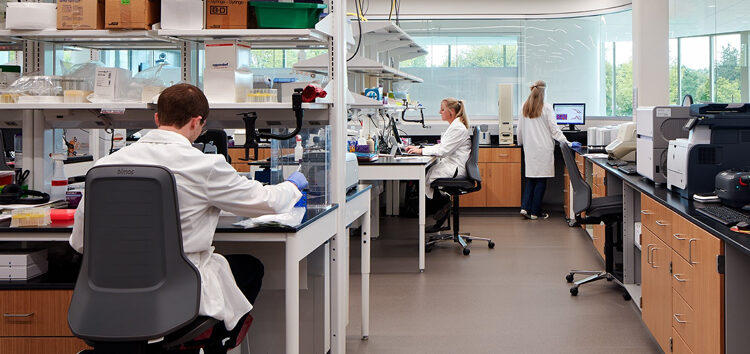
However, oddly enough, this same phenomenon and priority mindset has not taken hold within other interior workspaces like the laboratory or production floors. While the physical demands placed on researchers and technicians can be significantly more complex and riskier than that of their office counterparts, even in today’s most sophisticated labs, the focus and emphasis of ensuring scientists and engineers get seated in the best possible product for a research center seems to be a major afterthought to those involved in the process.
Real-World Examples of Flaws in Ergonomic Seating Selection in the Lab
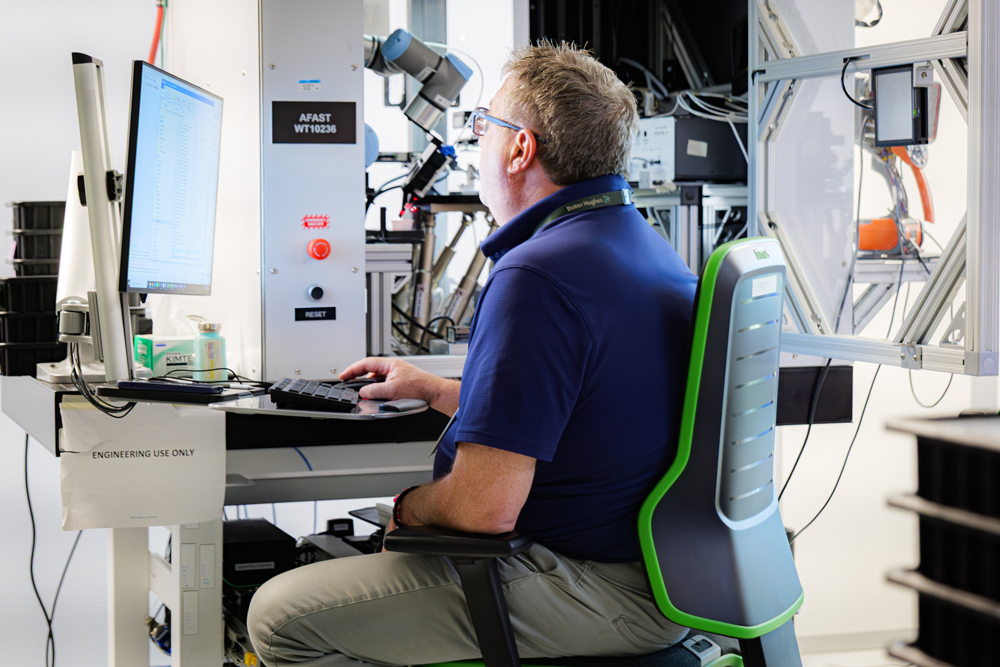
At Company (A), a leading Architectural and Design firm who are leaders in the field of Science and Technology Design, specified the lab interiors for a large new lab build project using cutting-edge lab furnishings, yet when it came to laboratory chairs, four common office chair models were the preferred options. Those models lacked the unique functions, materials or styling that should be evident in modern lab seating used in high-risk environments. Company (B) is a recognized global leader in bio-pharma research with thousands of high paid scientists on their payroll.
As of 2021, no corporate standard was established for laboratory seating and so despite making monumental investments in their lab furnishings, lab managers were often left completely on their own to select and procure chairs for their labs. Not only was the design ignored but so was the appropriate budgeting for high quality lab seating that you would expect for these highly competent teams.
The end result was many lab managers made the decision to purchase chairs at local office superstores, and so the lab interiors became an eclectic mixture of seating having inferior specifications and quality to hold up in their labs. Lastly, Company (C) standardized their labs on a suggested mesh-back stool to provide a great look and comfort level for the staff in a wet lab application where bio-chemical agents and pathogens were routinely used. Unfortunately, they failed to take into account that porous mesh materials are highly susceptible to trapping and fostering bacteria growth and are very difficult to clean.
The Contrast Between Office and Laboratory Work & Why Ergonomic Seating Matters
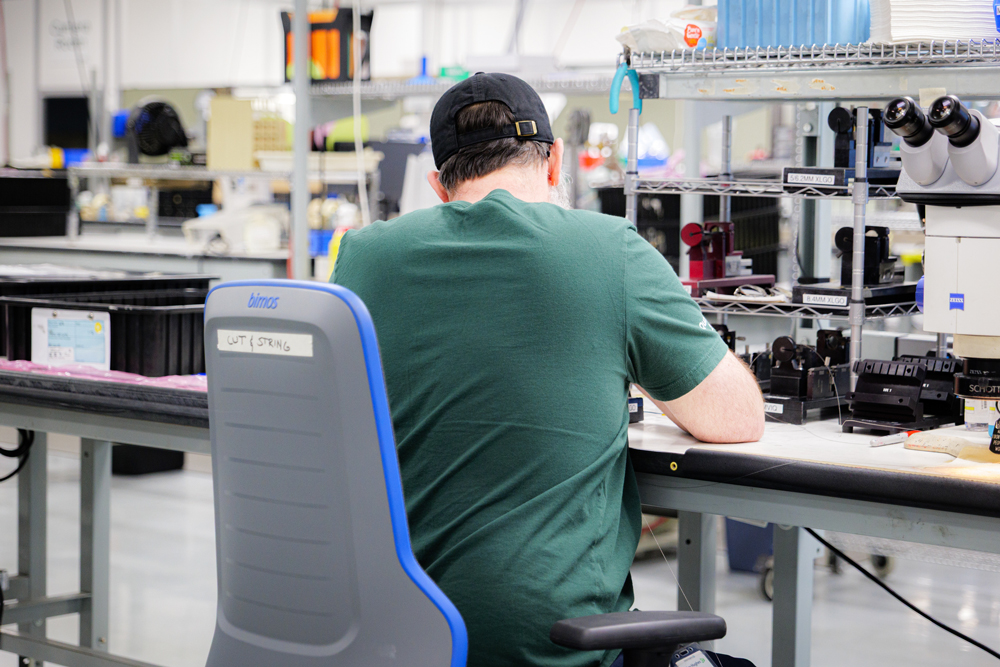
Science workers are often required to do a high degree of forward-leaning over microscopes or trays of test samples. There is a need for frequent posture transitions, on and off the seat. They sit at elevated worksurfaces on stools far more where the need for height range adjustability is very important. Long periods of standing and leg fatigue can be common. Chemicals, cleaning agents and hazardous materials are commonly prevalent and add more risk factors to their space. The testing equipment needed within reach for experiments is often heavy and sophisticated. Working under fume hoods and strong ventilation systems is often required. Technicians often are required to wear protective apparel and head shields in cleanroom environments. Lastly, many technical workers need seating designed with electro-static discharge controls to help offset the risks associated with electrical shock and the damage that it can cause to circuitry and components.
The reasons for focusing on the physical differences in a research chair versus the common office chair are numerous and need to be addressed differently by the collection of Lab Planning Firms, Facility Managers, Health and Safety Managers and Lab Managers who design and run lab and high-tech environments. What is even more important is that despite the average compensation and contribution levels of the scientists and technical research personnel being at the highest end of the spectrum and critical to driving revenues, tens of thousands have to sit in inferior seating solutions. Unfortunately, knowing all of the great improvements being made in today’s design, environmental and facility management standards, lab seating is still sorely unknown.
The Future of Lab Seating Starts with Greater Awareness & Education
We should no longer resign ourselves to the fact that just because lab furniture is a construction-driven specification and lab seating is part of the FF&E package, that the lab workstation is not looked at as a total holistic solution where all integral elements are properly defined and contribute to what is our better “Labs of the Future.”
It is encouraging to know that in 2025, the Scientific Equipment and Furniture Association will publish for the first time, guidelines that address the definition and specification of lab grade seating. With the present explosion of spending and growth within the Sciences industries, now is an important time to begin to properly address and support the individual needs of each scientist, engineer and assembly technician to be at their absolute best on the job.
Want to Learn More?

LabRepCo proudly partners with Bimos Lab Seating to deliver a best-in-class solution for chairs & stools in the research and science applications.
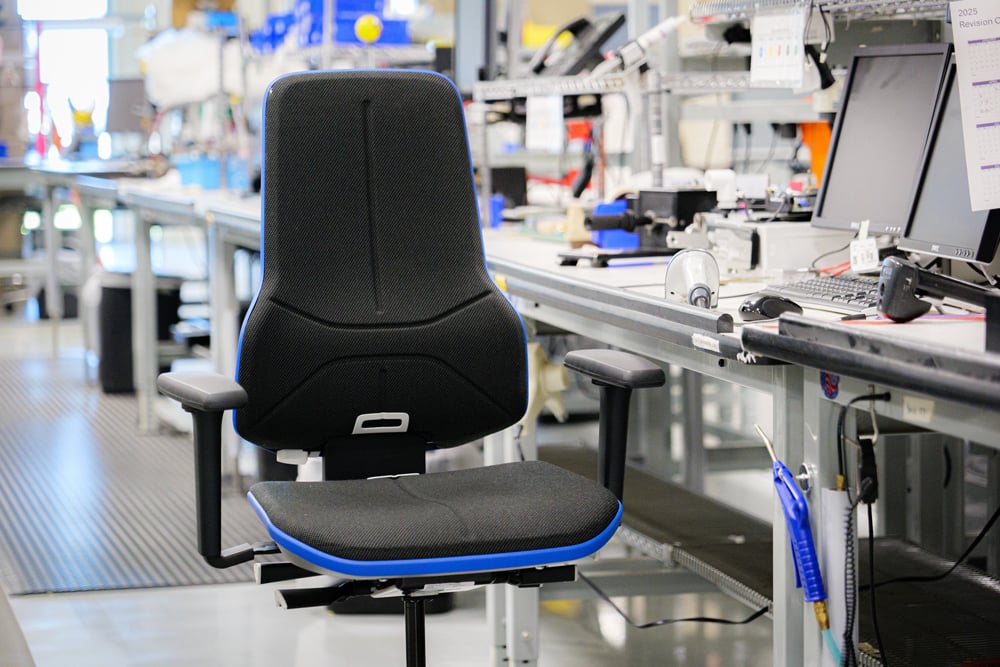
The brand stands for innovation, high design and high quality. BIMOS products were all designed specifically with the lab and production environment in mind defined by unique scale, function and materials, all intended for longevity and application.
BIMOS products are used prominently in labs, cleanrooms and ESD areas by global leading firms in the fields of Pharmaceuticals, Bioscience, High Tech, Food Research, Higher Education, Healthcare Labs and Cleanrooms and Mass Production.
Designed in close cooperation with professionals and academic experts, BIMOS focused on the specific activities of the lab, and addressed critical needs of ergonomics, health, safety and comfort. Backed by German engineering, BIMOS is produced to the highest standard levels and backed by a 10-Year Warranty.
Frequently Asked Questions
Ergonomic lab seating helps reduce fatigue, improve posture, and prevent injuries caused by repetitive movements or long periods of sitting and standing. Unlike traditional office chairs, laboratory chairs are designed to support scientists who frequently lean forward, move between stations, or work at elevated benches. This ensures comfort, safety, and productivity in research environments.
Laboratory chairs are built with specialized materials and functions for research applications. They often feature chemical-resistant surfaces, cleanroom-compatible materials, electrostatic discharge (ESD) protection, and extended height adjustments for working at lab benches. Office chairs, while ergonomic for desk work, are not designed to withstand chemicals, frequent posture changes, or contamination risks.
When choosing lab seating, look for features such as:
-Chemical and disinfectant resistant materials
-Easy-to-clean, non-porous surfaces
-Adjustable seat height and backrest
-ESD protection if needed
-Stability for elevated seating positions
-Support for forward-leaning posture
These features ensure long-term durability and user comfort in demanding lab settings.
Many labs overlook ergonomic lab seating because of budget limitations, lack of awareness, or outdated design specifications. In some cases, seating is treated as part of general FF&E rather than an essential component of lab design. As a result, lab managers may purchase office chairs that are not built to handle laboratory conditions or safety requirements.
Comfortable, ergonomic seating allows scientists and technicians to focus on their work without distraction or discomfort. Reducing strain and fatigue can improve accuracy, reduce errors, and help maintain consistent performance during long research hours. Over time, this leads to greater efficiency and employee satisfaction.
Yes. In 2025, the Scientific Equipment and Furniture Association (SEFA) will release new guidelines that define and standardize lab-grade seating specifications. These guidelines will help facility planners, lab managers, and health and safety officers make informed decisions when selecting chairs for research environments.
Bimos lab seating is engineered specifically for laboratory, cleanroom, and production environments. Each chair is designed with German precision and tested for ergonomic comfort, safety, and durability. Bimos chairs are chemical resistant, easy to clean, and backed by a 10-year warranty, making them a trusted choice for leading research facilities worldwide.
LabRepCo’s team of experts can help evaluate your lab environment and recommend the ideal Bimos seating solution, whether for cleanrooms, bioscience labs, ESD areas, or general research spaces. Our consultative approach ensures your team receives the right ergonomic support to meet safety, compliance, and performance goals.