
CO2 incubators are foundational tools in life science and clinical research laboratories. They support mammalian cell culture, tissue engineering, stem cell work, and sensitive in vitro studies by creating a stable environment with controlled temperature, carbon dioxide, humidity, and sterility. Choosing the right CO2 incubator is more than a purchase; it is an investment in data quality, reproducibility, and long-term lab performance. This CO2 incubator buying guide helps you evaluate the most important criteria so you can select equipment that aligns with your current protocols and evolving research needs.
Understand Your Core Requirements
Before evaluating specific units, clarify your laboratory’s primary use cases. Some fundamental questions to define up front include:
- What cell types and growth conditions are most common in your lab?
- How often will the incubator be accessed, and by how many users?
- What are your space and infrastructure limitations?
- What level of environmental control precision do your applications require?
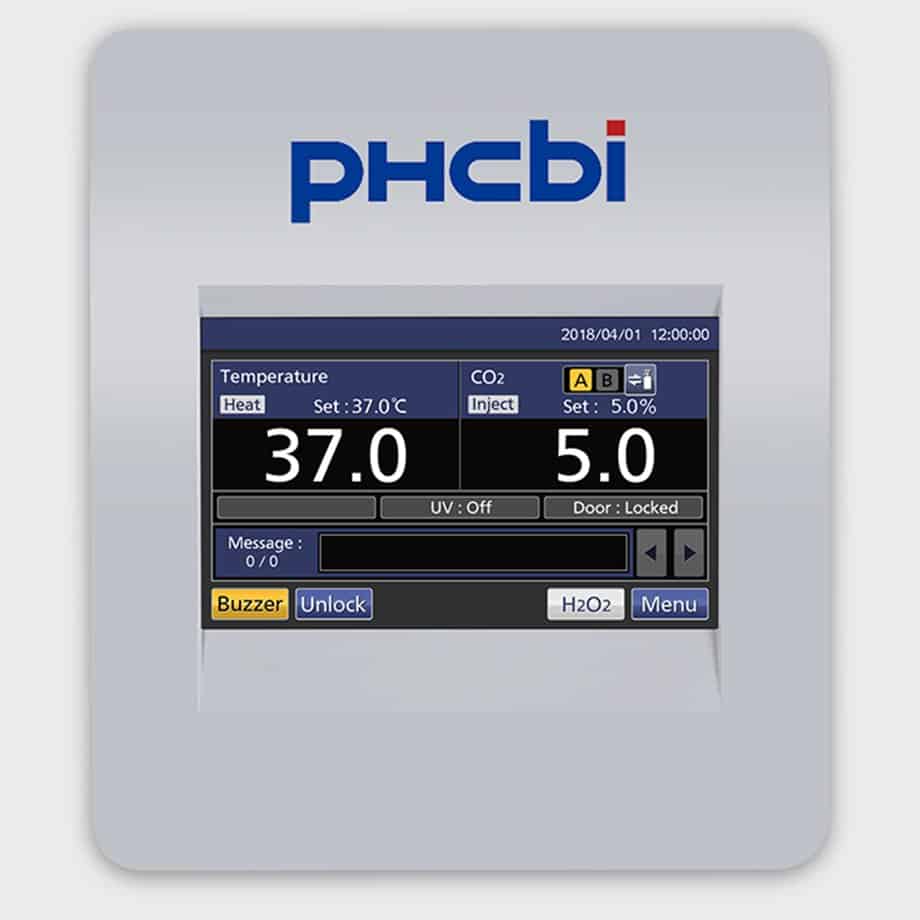
CO2 incubators simulate conditions that support cell growth by keeping temperature, CO2 concentration, and humidity within precise ranges. Typical target setpoints for mammalian cell culture are around 37°C, ~5% CO2, and high relative humidity to suppress evaporation and maintain pH balance through CO2 buffering.
Heating and Temperature Control
Temperature stability is a cornerstone of good cell culture outcomes because fluctuations can disrupt growth and skew experimental results.
System Types
Water-jacketed incubators use a surrounding water reservoir to buffer temperature changes. They provide robust thermal stability, especially in environments with ambient temperature swings, but tend to be heavier, slower to recover after door openings, and take up more space.
Direct heat or air jacket systems heat the chamber with integrated elements. These systems generally warm up and recover temperature more quickly after access events, making them suitable for high throughput labs with frequent usage.
When reviewing units, also consider:
- Temperature uniformity throughout the chamber
- Warm-up and recovery performance after door openings
- How ambient environment influences setpoint control
Many labs find that rapid recovery after chamber access improves throughput without compromising culture health.
You can learn more about the difference between water-jacketed & air-jacketed CO2 incubators through our article here.
Carbon Dioxide Control and Sensor Technology
Accurate CO2 control is essential because CO2 regulates pH in bicarbonate-buffered culture media. Poor CO2 control leads to pH drift, which affects cell viability and experiment reproducibility.
Sensor Considerations
Two common sensing technologies are available:
- Thermal conductivity sensors, which infer CO2 levels based on heat transfer.
- Infrared (IR) sensors, which detect CO2 directly by measuring how gas absorbs infrared light.
Infrared sensors are generally less sensitive to humidity and temperature fluctuations and provide faster true readings, which improves control and recovery after door openings. Investing in quality IR sensing technology reduces pH variability and stabilizes culture conditions more effectively.
Humidity and Evaporation Control
Maintaining high humidity (usually close to saturation) is critical to prevent evaporation, which concentrates solutes and alters media osmolarity. Options include:
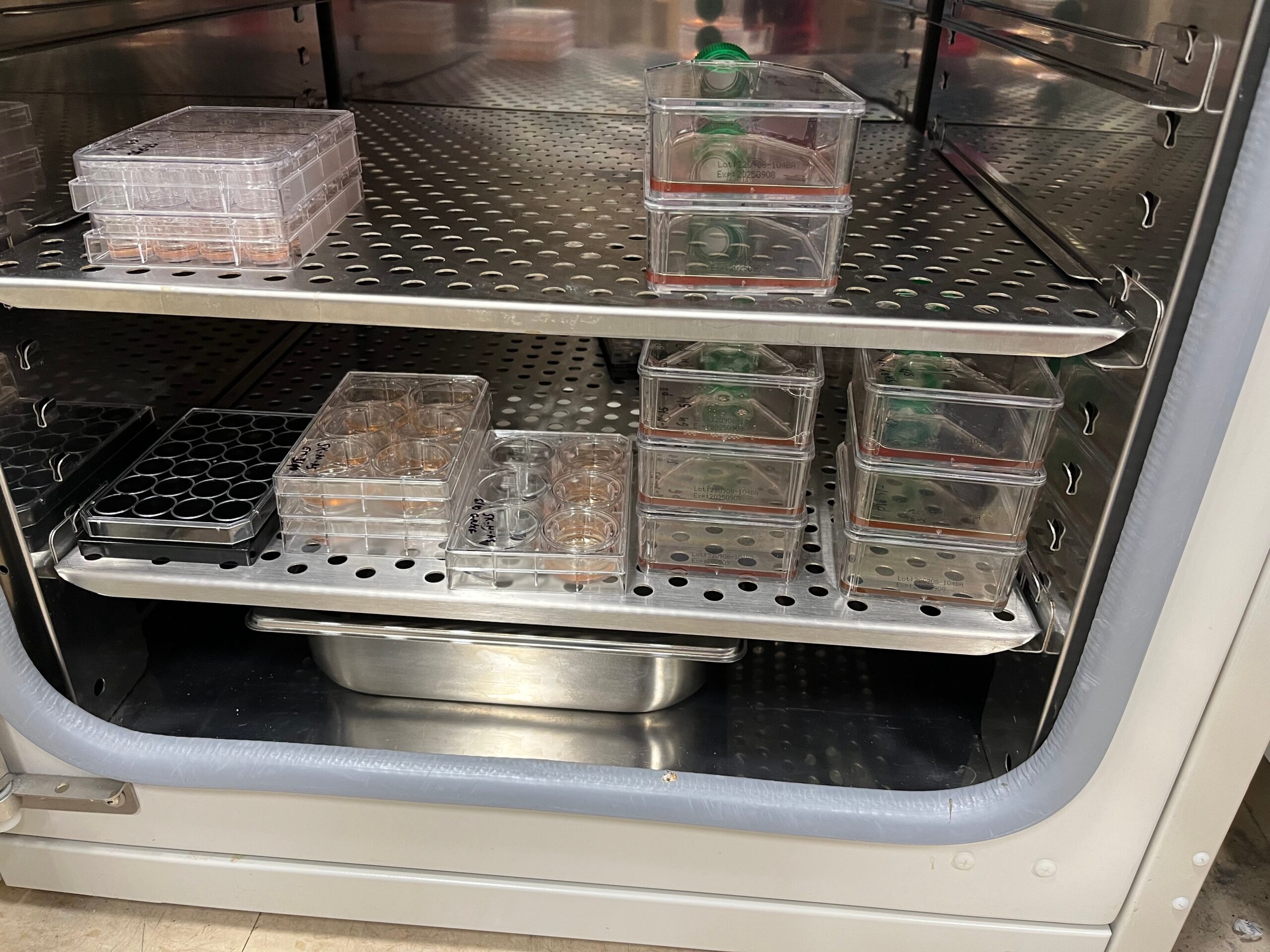
- Passive humidity trays, which are simple and effective.
- Integrated humidity control systems, which offer more consistent humidity and faster recovery.
Ensure the incubator’s design minimizes excessive airflow that accelerates evaporation while still supporting uniform gas distribution.
Contamination Prevention and Cleanability
Contamination presents one of the greatest risks to cell culture work. Even a single microbial intrusion can invalidate weeks of experiments and incur significant cost.
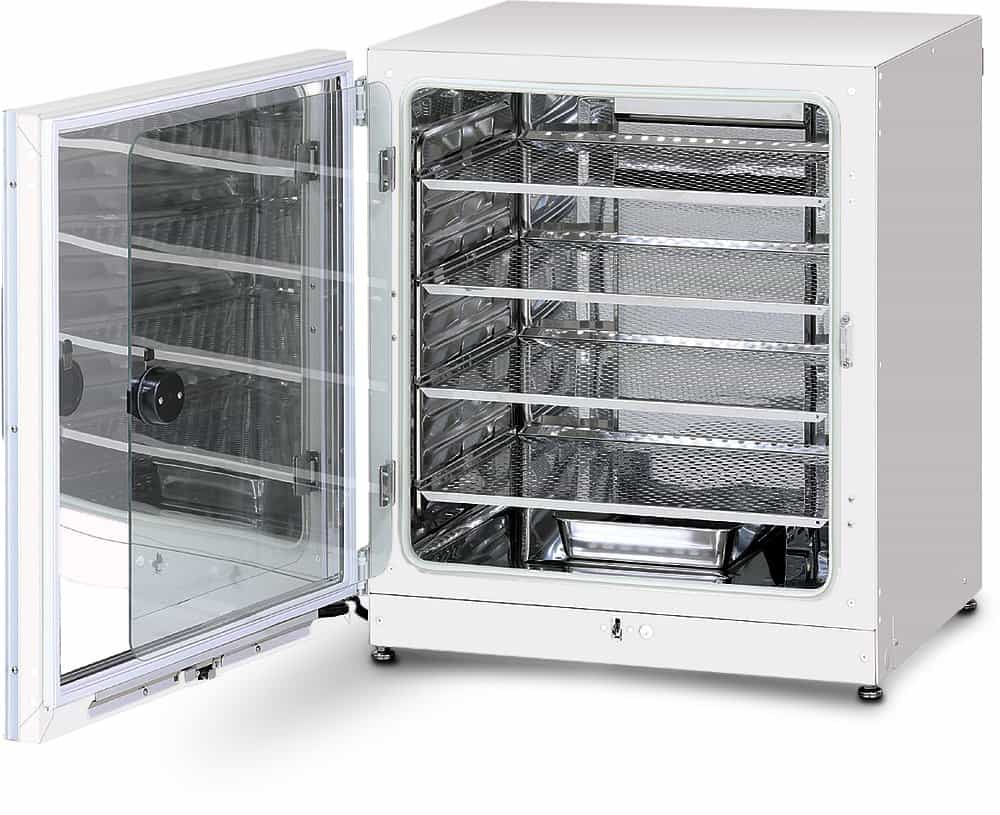
Key contamination control features to evaluate include:
- Interior design with minimal crevices and smooth surfaces that promote easier disinfection.
- HEPA filtration or microbial filtration to continuously clean circulating air and reduce airborne contaminants.
- Hot air decontamination cycles that allow internal sterilization without disassembly.
- Sensors and components that withstand sterilization protocols rather than requiring removal.
When reviewing interior design options, prioritize chambers that are straightforward to clean and disinfect, and avoid complicated fixtures that harbor microbes or require disassembly for routine maintenance.
Chamber Capacity, Layout, and Accessibility
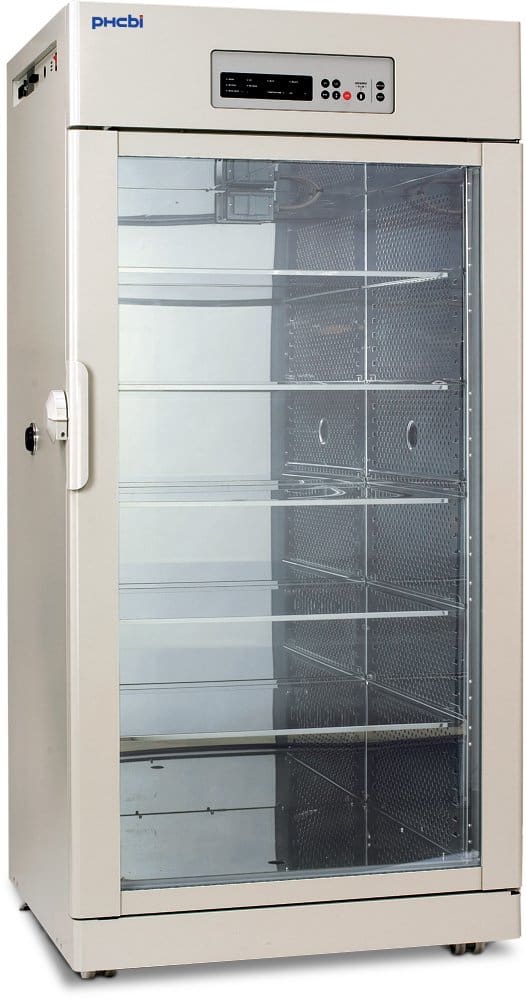
Choose an incubator with enough usable internal space and flexible shelving to support current experiments and anticipated growth. Compact labs may value stackable units or narrower footprints, while high-volume operations may prioritize larger interior volumes or additional shelving configurations.
Other practical considerations:
- Adjustable shelving or modular racks
- Inner viewing doors to minimize disturbance during access
- Doors that swing in a direction compatible with your lab layout
- Compatibility with standard laboratory carts or handling equipment
Controls, Monitoring, and Data Access
Ease of operation improves laboratory efficiency and reduces errors. When evaluating interfaces and data capabilities, look for:
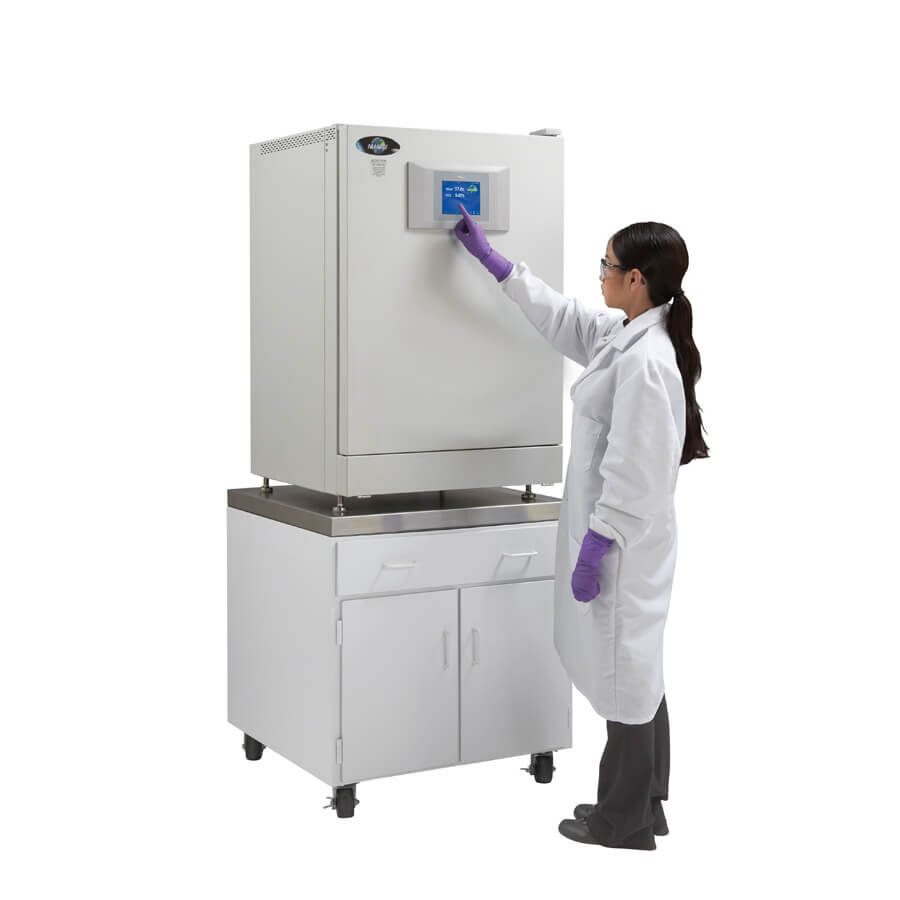
- Intuitive control interfaces with clear status indicators
- Audible and visual alarms for out-of-range conditions
- Data logging and export capabilities for regulatory or quality assurance documentation
- Remote monitoring options for facilities with centralized control systems
These features support compliance, traceability, and quick problem resolution. Respondents in a laboratory equipment survey highlighted value for price, ease of use, and reliable performance as top priorities in purchasing decisions.
Installation, Location, and Environmental Suitability
The placement of the CO2 incubator in your facility affects performance. Avoid:
- Direct sunlight and heat sources
- Drafts from HVAC diffusers
- Locations near doors that are frequently opened
A stable ambient environment maximizes your incubator’s ability to maintain internal conditions without undue energy load or recovery lag. Ensure you have proper clearance for ventilation, maintenance, and service access.
Operational Costs and Lifecycle Considerations
Beyond initial purchase price, evaluate:
- Expected maintenance needs and costs
- Consumable parts and their replacement intervals
- Service agreements and access to technical support
- Equipment reliability and projected usable lifespan
Looking at total cost of ownership, not just upfront cost, helps ensure long-term value and minimizes operational disruptions.
Involve End Users in the Decision Process
Input from researchers and technicians who will use the incubator daily yields valuable insights. Discuss workflow patterns, access frequency, sterilization practices, and space constraints. Aligning equipment capabilities with real-world use cases reduces downtime and improves user satisfaction.
Summary
Selecting the right CO2 incubator requires balancing performance, reliability, ease of use, and long-term value. Focus your evaluation on:
- How well the incubator controls temperature, CO2, and humidity
- Sensors and contamination prevention design
- Usable chamber size and accessibility
- User interfaces, monitoring, and data capabilities
- Installation requirements and site suitability
- Total cost of ownership
By aligning your selection criteria with your laboratory’s scientific requirements and operational realities, you will choose a CO2 incubator that supports reproducible results and efficient workflows for years to come.
CO2 Incubator Buying Guide FAQ
Most CO2 incubators are designed to maintain approximately 37 degrees Celsius, which closely matches human physiological temperature and supports mammalian cell growth. Stability and uniformity are more important than the exact setpoint itself.
Water jacketed incubators use heated water to buffer temperature changes, offering strong stability but slower recovery. Direct heat incubators rely on heating elements and insulation, which allows faster recovery and easier relocation but can be more sensitive to ambient conditions.
CO2 regulates the pH of bicarbonate buffered culture media. If CO2 levels drift, media pH changes and can affect cell viability, growth rates, and experimental repeatability.
Infrared sensors typically provide faster and more accurate CO2 readings because they are less affected by humidity and temperature fluctuations. This can improve stability after door openings and during high use periods.
Low humidity leads to evaporation, which concentrates nutrients and salts in the media. Maintaining high humidity helps preserve proper osmolarity and supports consistent cell growth.
Contamination is reduced through controlled airflow, filtration, high temperature decontamination cycles, smooth interior surfaces, and good sealing. Design simplicity and ease of cleaning play a major role in contamination prevention.
Cleaning frequency depends on usage and sensitivity of cultures. Many labs perform routine cleaning weekly or monthly, with full decontamination cycles scheduled periodically or after contamination events. Read our article on How to Properly Clean Cell Culture Incubators
Larger chambers provide more capacity but take longer to recover after door openings. Smaller chambers recover faster but may limit future growth. Choosing the right size balances capacity with recovery performance.
Incubators should be placed away from direct sunlight, heat generating equipment, and HVAC vents. Stable ambient conditions help maintain internal temperature and gas control.
Reliability, ease of cleaning, stable environmental control, strong alarms, and low maintenance requirements tend to matter more over time than advanced features that add complexity without improving daily operation.
References
Binder GmbH. What Do You Have to Consider Before Buying a CO2 Incubator?
Binder Scientific Knowledge Library.
https://www.binder-world.com/us-en/library/what-do-you-have-to-consider-before-buying-a-co2-incubator
Fisher Scientific. What to Consider When Selecting a CO2 Incubator.
Lab Reporter, Issue 4.
https://www.fishersci.com/us/en/scientific-products/publications/lab-reporter/2018/issue-4/what-consider-selecting-co2-incubator.html
Lab Manager Magazine. Eight Questions to Ask When Purchasing a CO2 Incubator.
Lab Manager Media.
https://www.labmanager.com/eight-questions-to-ask-when-purchasing-a-co2-incubator-2310
Incelligence GmbH. CO2 Incubators for Cell Culture Applications.
Incelligence Knowledge Base.
https://incelligence.de/en/cell-culture/cell-culture-co2-incubators
Infitek Co., Ltd. How to Choose the Best CO2 Incubator for Your Laboratory.
Infitek Resource Center.
https://infitek.com/how-to-choose-the-best-co2-incubator-for-your-laboratory/
Wikipedia contributors. Incubator (Cell Culture).
Wikipedia, The Free Encyclopedia.
https://en.wikipedia.org/wiki/Incubator_(culture)
National Institutes of Health. Best Practices for Mammalian Cell Culture.
NIH Office of Intramural Research.
https://oir.nih.gov/sourcebook/ethical-conduct/special-research-considerations/cell-culture
European Collection of Authenticated Cell Cultures (ECACC). Guidance on Cell Culture Environment Control.
UK Health Security Agency.
https://www.culturecollections.org.uk/products/celllines/generalcellculture.aspx