
Ultra-low freezers are a long-term investment for any laboratory, but like all refrigeration systems, they have a defined lifespan. Understanding how long a ULT freezer should last and what affects its performance over time can help labs plan ahead, protect valuable samples, and avoid unexpected failures.
Typical Lifespan of a ULT Freezer
Most ultra-low temperature freezers operate reliably for 8 to 12 years under normal laboratory conditions. Some units may last longer with proper maintenance, while others begin to show signs of wear earlier depending on usage, environment, and system design.
Industry guidance from organizations such as ASHRAE indicates that refrigeration system lifespan is heavily influenced by operating conditions, maintenance practices, and overall system load.
As a freezer approaches the later stages of its lifecycle, performance can become less consistent. Temperature stability may decline, recovery times can increase, and components such as compressors and seals are more likely to fail.
What Impacts ULT Freezer Lifespan?
Several factors influence how long a unit will perform effectively:
Usage Frequency
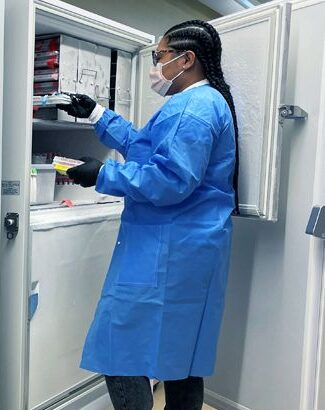
Frequent door openings introduce warm air into the chamber, forcing the system to work harder to maintain temperature. High-access environments can accelerate wear over time.
Ambient Conditions
Room temperature and ventilation play a significant role. Units placed in warmer environments or areas with poor airflow tend to experience increased strain on the refrigeration system.
Maintenance Practices
Routine maintenance helps extend lifespan. Cleaning filters, checking door seals, and ensuring proper airflow can reduce unnecessary stress on internal components.
System Design
Not all ULT freezers are built the same. Some systems use advanced compressor technology or dual-cooling designs that can improve long-term reliability and reduce the risk of total system failure.
Why Temperature Stability Matters
Maintaining consistent storage conditions is critical for protecting sensitive materials. Guidance from the Centers for Disease Control and Prevention emphasizes that even small temperature deviations can impact the integrity of temperature-sensitive samples over time.
As systems age, they may struggle to maintain uniform temperatures throughout the chamber, increasing the risk of unnoticed fluctuations that can affect long-term storage outcomes.
Signs a ULT Freezer Is Aging
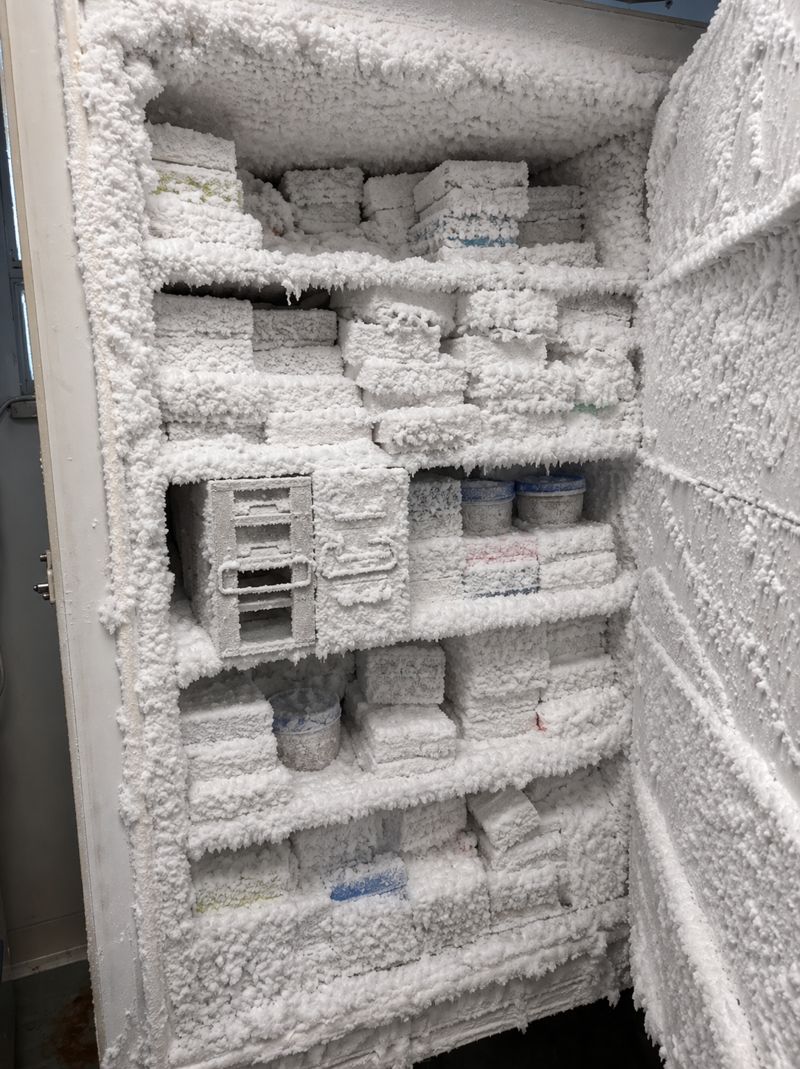
Even before a complete failure, aging units often show warning signs:
- Longer recovery times after door openings
- Increased temperature fluctuations
- Higher energy consumption
- Unusual noises from compressors or fans
- More frequent alarm events
Recognizing these early indicators allows labs to take action before samples are at risk.
When Replacement Should Be Considered
While a freezer may still be operational beyond 10 years, the risk of failure increases significantly. Many labs begin evaluating replacement options around the 8 to 10 year mark to avoid unplanned downtime.
Older systems are also typically less energy efficient, meaning they can cost more to operate over time compared to newer models.
For labs evaluating replacement options, it may be worth reviewing available ultra low temperature freezers to compare newer technologies and performance improvements.
Planning Ahead Protects Your Samples
Waiting until a freezer fails can lead to emergency transfers, compromised samples, and costly disruptions. By understanding the expected lifespan and monitoring performance over time, labs can plan upgrades more strategically and maintain consistent storage conditions.
Frequently Asked Questions
Most -80°C freezers last between 8 and 12 years, depending on usage, maintenance, and environmental conditions.
Yes, but performance and reliability often decline after this point, increasing the risk of failure.
Consistent maintenance and proper operating conditions have the greatest impact on long-term performance.