800-521-0754

Request Information

Request Info

CLOSE

Peristaltic Pumps

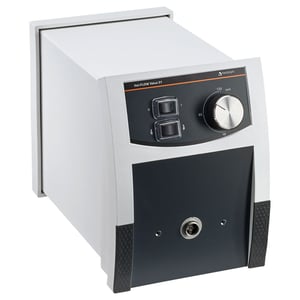
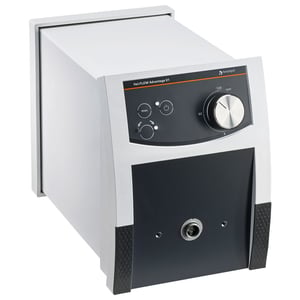
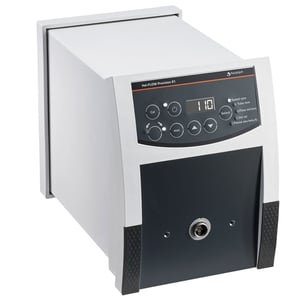
Peristaltic pumps are high-precision fluid handling systems engineered for accurate, repeatable liquid transfer in laboratory, pharmaceutical, biotechnology, and industrial environments. Designed for contamination-free operation, these pumps safely move sterile, corrosive, viscous, and shear-sensitive fluids without exposing them to internal pump components.

Browse our selection of peristaltic pumps to find digital, variable-speed, and multi-channel configurations built for dependable performance.


How Peristaltic Pumps Deliver Clean, Controlled Flow

Peristaltic pumps operate using a positive displacement mechanism in which rotating rollers compress flexible tubing to create consistent forward movement. Because fluid only contacts the tubing interior, these devices reduce cross-contamination risk and simplify maintenance.

This pumping method provides:

  • Accurate and repeatable flow rates

  • Gentle, low-shear fluid handling

  • Adjustable speed control for precise metering

  • Quick tubing replacement with minimal downtime


Applications for Laboratory and Industrial Use

Laboratory peristaltic pumps are widely used for:

  • Chemical transfer and reagent dosing

  • Media preparation and bioreactor feed

  • Pharmaceutical formulation processes

  • Environmental sampling and wastewater testing

  • Analytical metering and controlled dispensing

The closed-system design of pumps makes them ideal for sterile workflows and aggressive chemical environments.


Available Configurations and Flow Rate Options

LabRepCo supplies peristaltic pumps in multiple configurations to meet your performance requirements, including:

  • Digital models with programmable speed settings

  • Variable-speed systems for precise flow adjustment

  • Multi-channel units for parallel processing

  • Compact benchtop designs

  • High-volume transfer models

With configurable pump heads and chemical-resistant tubing materials, these systems can be tailored to match viscosity, flow rate, and compatibility needs.