800-521-0754

Request Information

Request Info

CLOSE

Analytical Balances

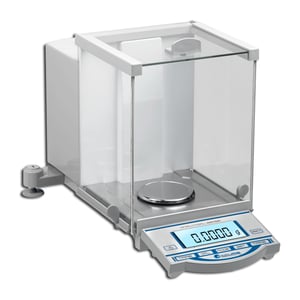
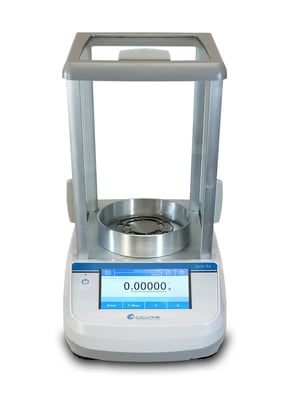
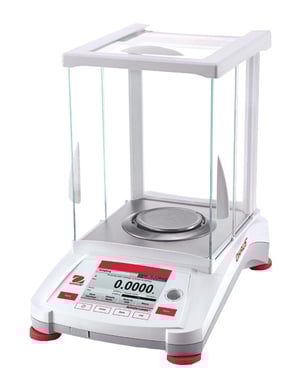
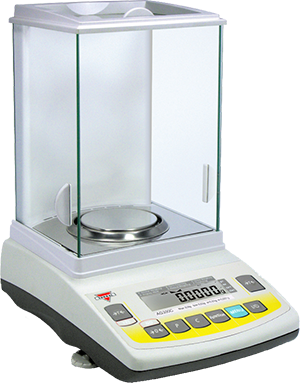
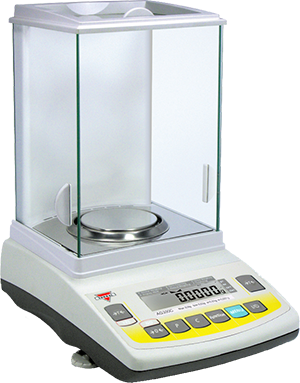
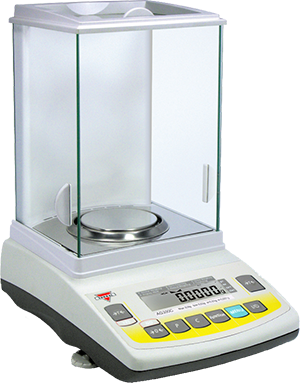
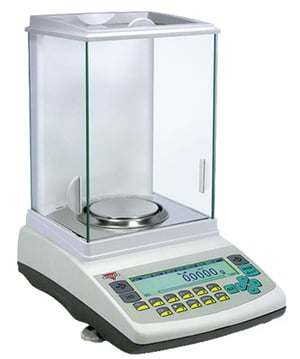
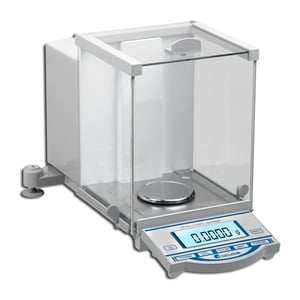
An analytical balance is a precision weighing instrument designed to measure mass to 0.1 milligram (0.0001 gram) readability – one tenth of a milligram. This level of precision makes analytical balances essential in pharmaceutical formulation, chemical analysis, quality control, environmental testing, and any laboratory application where small quantities of material must be weighed with the highest possible accuracy and repeatability.

LabRepCo is an authorized distributor of analytical balances from Sartorius, Ohaus, Accuris (Benchmark Scientific), and Torbal (Scientific Industries). Our selection covers every price point and application – from entry-level Torbal analytical balances for teaching and general research labs to Sartorius Entris II and Ohaus Explorer Plus models for GLP-compliant pharmaceutical and regulated environments. Browse by brand or capacity below, or contact a LabRepCo specialist at 800-521-0754 for personalized balance selection assistance.


Analytical Balance vs. Precision Balance – Key Difference

This is the most common question when selecting a laboratory balance. The distinction comes down to readability – the smallest increment the balance can display and measure:


Balance Type Readability Typical Capacity
Analytical Balance 0.1 mg (0.0001 g) 80 g to 320 g
Semi-Micro Balance 0.01 mg (0.00001 g) 10 g to 100 g
Microbalance 0.001 mg (0.000001 g) 1 g to 10 g
Toploading Precision Balance 1 mg to 10 mg (0.001 g to 0.01 g) 200 g to 10,000 g


All analytical balances on this page have 0.1 mg readability. If your application requires weighing to 0.01 mg or 0.001 mg, see our microbalances. If you need a higher capacity instrument with less precision, browse our toploading precision balances.


Internal vs. External Calibration – Which Do You Need?

Calibration is the process of verifying and adjusting a balance’s accuracy against a known reference weight. There are two calibration methods and the choice significantly affects both convenience and regulatory compliance:

Internal Calibration (Automatic)

The balance contains a built-in internal calibration weight and can calibrate itself automatically – either on a set schedule, when triggered by a change in temperature or environmental conditions, or at the touch of a button. Internal calibration is strongly preferred in regulated environments (pharmaceutical GMP, GLP) because it provides continuous, documented calibration without the need for external certified weights. It also eliminates operator variability in the calibration process. Sartorius, Ohaus Adventurer and Explorer Plus, and Accuris Dx and Tx series models with internal calibration are available through LabRepCo.

External Calibration

The balance is calibrated using a separate external calibration weight applied manually by the operator at defined intervals. External calibration models carry a lower purchase price but require the lab to maintain a set of certified calibration weights and document each calibration event manually. For teaching labs, general research, and applications where calibration frequency is low and regulatory requirements are minimal, external calibration is a cost-effective choice. Torbal AGZN series and Accuris W3100 series models with external calibration are available at LabRepCo’s most competitive price points.


Analytical Balance Brands at LabRepCo

Sartorius Analytical Balances

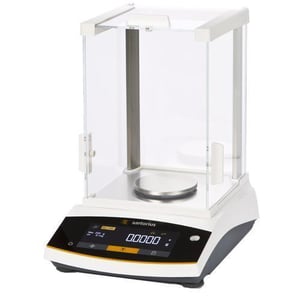
Sartorius is the global leader in laboratory weighing, and the Entris II Essential Line is their flagship analytical balance series for research and regulated laboratory environments. The Sartorius Entris II delivers 0.1 mg readability with 220 g capacity, a draft shield with side doors for easy access, isoCAL automatic internal calibration, and a backlit display with direct key operation. Sartorius analytical balances are widely specified in pharmaceutical, biotech, and academic research labs where brand recognition and long-term support are priorities. LabRepCo is an authorized Sartorius distributor.

Ohaus Analytical Balances

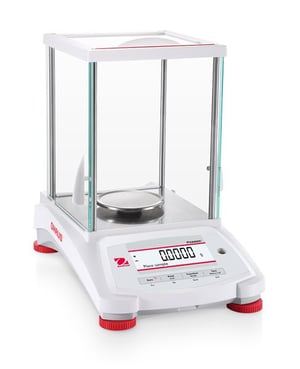
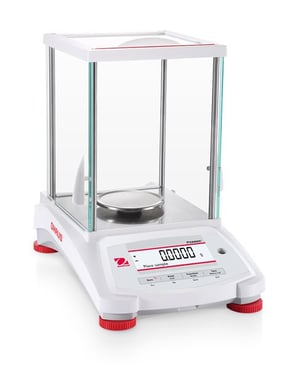
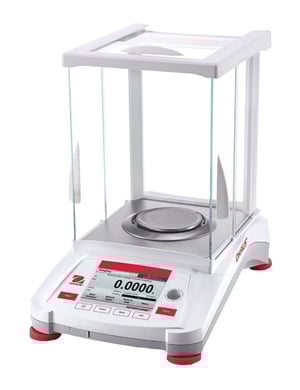
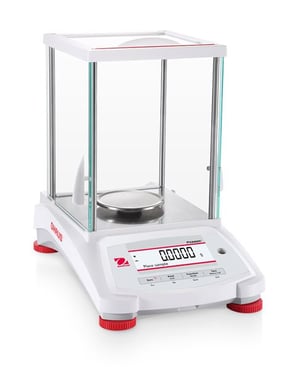
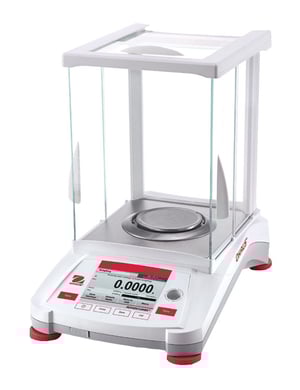
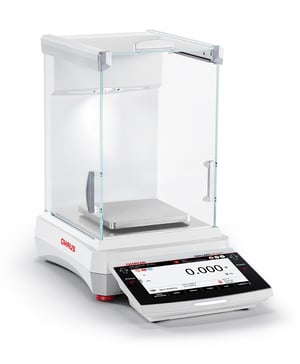
Ohaus offers three analytical balance series through LabRepCo, covering a range of feature levels and budgets. The Pioneer PX series provides reliable 0.1 mg analytical weighing with an intuitive interface and optional internal calibration. The Adventurer AX series adds a touch-screen interface, internal calibration standard, and a comprehensive set of weighing modes for more demanding research applications. The Explorer Plus EXP series is the top-tier Ohaus analytical balance, with advanced GLP documentation features, motorized draft shield doors, and a color touchscreen – designed for pharmaceutical and regulated laboratory environments requiring full data output and audit trail capability.

Accuris Analytical Balances (Benchmark Scientific)

Accuris Dx and Tx series analytical balances from Benchmark Scientific offer competitive pricing combined with internal calibration capability and 0.1 mg readability. These are well suited for educational institutions, startup research labs, and cost-sensitive applications that require analytical balance performance without the premium pricing of Sartorius or high-end Ohaus models. LabRepCo carries both the Dx series (full touchscreen interface) and the Tx series (touchscreen with additional connectivity) in 120 g and 220 g capacities.

Torbal Analytical Balances (Scientific Industries)

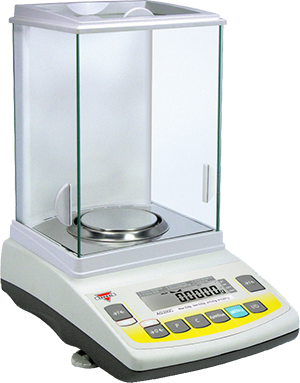
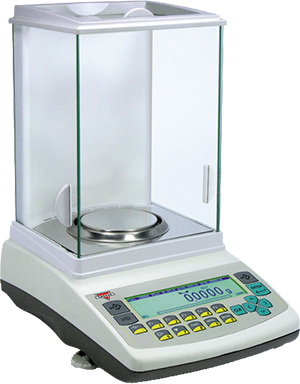
Torbal offers LabRepCo’s most accessible price point for analytical balances, with the AGZN (external calibration) and AGCN/AGN (internal/auto calibration) series available from approximately $1,200. Torbal analytical balances deliver true 0.1 mg readability and are appropriate for teaching labs, general purpose research, and applications where budget is the primary constraint. The AGN series adds USB data output for integration with LIMS or spreadsheet data capture.


Analytical Balances for Pharmaceutical and Regulated Environments

Laboratories operating under GMP, GLP, or other regulated frameworks have specific requirements for analytical balances beyond basic weighing accuracy. When specifying an analytical balance for a pharmaceutical or regulated environment, look for the following features:

  • Internal (automatic) calibration with calibration documentation and timestamp recording
  • GLP/GxP data output – the ability to print or export date, time, operator ID, balance ID, and result with each measurement
  • Audit trail or electronic records capability for 21 CFR Part 11 compliance
  • Password protection or user access control to prevent unauthorized setting changes
  • Motorized or fully enclosed draft shield to minimize operator influence on weighing
  • Minimum weight function to alert operators when sample mass is below the balance’s statistically reliable minimum weight threshold

The Sartorius Entris II and Ohaus Explorer Plus series available through LabRepCo include these features and are appropriate for regulated laboratory environments. Contact LabRepCo at 800-521-0754 to discuss compliance requirements for your specific application.


How to Choose the Right Analytical Balance

Use the questions below to identify the right model for your application:


Your Requirement Recommended Approach
Pharmaceutical or GMP/GLP regulated environment Sartorius Entris II or Ohaus Explorer Plus with internal calibration and GLP data output
Research lab with moderate budget – internal calibration preferred Ohaus Adventurer AX or Accuris Dx/Tx series
Teaching lab or entry-level research – budget priority Torbal AGZN (external calibration) or Accuris W3100 series
80 g to 120 g capacity needed Ohaus Pioneer PX84, Ohaus Adventurer AX124, Accuris 120 g models, or Torbal 100 g series
220 g to 320 g capacity needed Sartorius Entris II 220 g, Ohaus Pioneer PX224, Adventurer AX224 or AX324, or Accuris 220 g models
USB data output required Ohaus Adventurer or Explorer Plus, Accuris Tx series, or Torbal AGN series with USB
Widest draft shield / easiest sample access Ohaus Explorer Plus with motorized draft shield doors


Why Buy an Analytical Balance from LabRepCo?

  • Authorized distributor for Sartorius, Ohaus, Accuris (Benchmark Scientific), and Torbal – full manufacturer warranty on every model
  • Wide price range from approximately $1,200 (Torbal entry-level) to $7,800 (Ohaus Explorer Plus) to fit any lab budget
  • Expert guidance – our specialists help you match calibration method, capacity, connectivity, and compliance features to your specific application and regulatory requirements
  • Ohaus Balance Selector Guide and Sartorius Brochures available for download below
  • GSA and E&I cooperative purchasing contracts available for government and academic customers
  • Regional field sales representatives available for on-site demonstrations and consultation


Frequently Asked Questions About Analytical Balances

What is the difference between an analytical balance and a precision balance?

The key difference is readability. An analytical balance reads to 0.1 milligram (0.0001 g) and typically has a capacity of 80 g to 320 g. A toploading precision balance reads to 1 mg or 10 mg (0.001 g to 0.01 g) and has a much higher capacity – typically 200 g to 10,000 g or more. Analytical balances are used when very small quantities must be weighed with high precision. Precision balances are used for larger quantities where high capacity is more important than sub-milligram accuracy. If you are unsure which type you need, contact LabRepCo and we will help you select the right instrument.

What is internal calibration on an analytical balance?

Internal calibration means the balance contains a built-in reference weight and can calibrate itself automatically without requiring the operator to apply external calibration weights. Most modern analytical balances with internal calibration perform automatic calibration when they detect a change in temperature or other environmental factors that could affect weighing accuracy. Internal calibration is strongly preferred in pharmaceutical and regulated laboratory environments because it ensures the balance is always calibrated and provides a calibration record without operator involvement.

What readability do I need for pharmaceutical formulation?

For most pharmaceutical formulation and compounding applications, 0.1 mg (0.0001 g) readability is appropriate and is the standard for analytical balances. For very small quantities of potent or high-value active ingredients where even greater precision is required, a semi-micro balance with 0.01 mg readability may be specified. Check your formulation procedures and any applicable pharmacopoeial standards (USP, EP) for the minimum weighing accuracy requirements for your specific materials.

Do I need a draft shield on my analytical balance?

Yes, for virtually all analytical balance applications. At 0.1 mg readability, even gentle air currents from HVAC systems, people moving in the lab, or the operator’s own breathing can cause the displayed weight to fluctuate. A draft shield – the enclosure around the weighing pan – eliminates these air current effects and is standard on all analytical balances. The design of the draft shield matters: sliding door models allow easy sample access, while motorized door models (like the Ohaus Explorer Plus) minimize vibration from manual door operation and are preferred in the most demanding environments.

What brands of analytical balances does LabRepCo carry?

LabRepCo carries analytical balances from Sartorius (Entris II series), Ohaus (Pioneer PX, Adventurer AX, and Explorer Plus EXP series), Accuris/Benchmark Scientific (Dx and Tx series), and Torbal/Scientific Industries (AGZN, AGCN, and AGN series). All models are available with full manufacturer warranty and qualify under LabRepCo’s GSA and E&I cooperative purchasing contracts.

Download the Ohaus Balance Selector Guide and Sartorius Scales Brochure below for detailed specifications, or browse our full Laboratory Balances and Scales selection including toploading precision balances, microbalances, portable balances, and moisture analyzers.